History

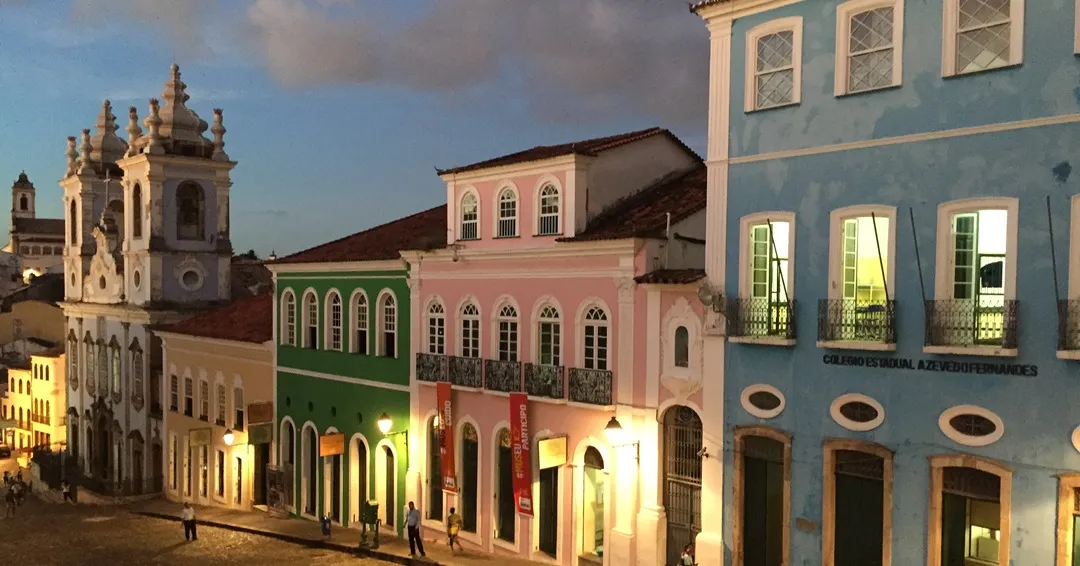
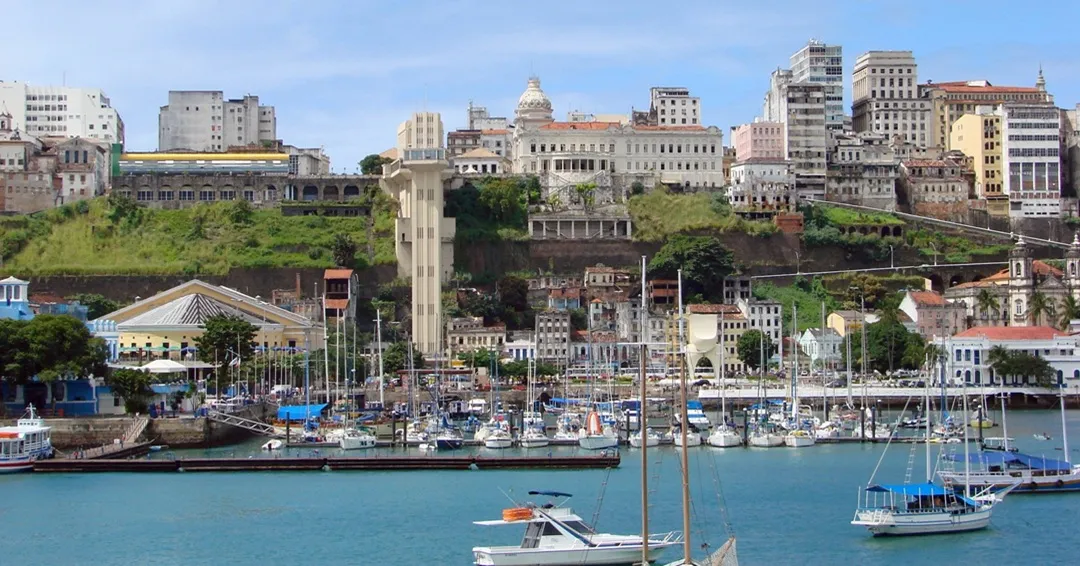
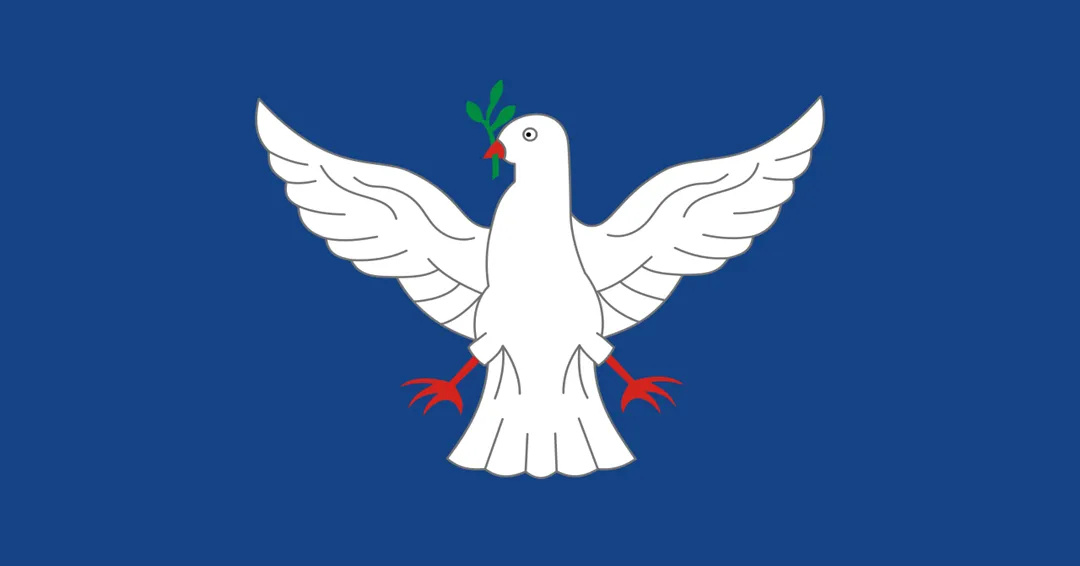
Founded on 29 March 1549 by Tomé de Sousa, Salvador was born both as a city and as a capital, on the orders of King John III, who wanted to establish in Brazil a general government capable of coordinating the scattered hereditary captaincies. Before that, the area was home to the Tupinambá people and had seen, in 1536, a small settlement founded by the donatary Francisco Pereira Coutinho, close to what is now the Ladeira da Barra. The urban plan followed the model of Portuguese coastal towns and adapted to the steep terrain, giving rise to the division between the Upper City, seat of civil and religious power, and the Lower City, where the port and the trading houses stood. For more than two centuries Salvador was the administrative heart of Portuguese America and one of the busiest ports in the Atlantic, tied to Portugal and to Africa by the sugar trade and by the trafficking of enslaved people, a legacy that shaped the identity of the city in profound ways. It withstood the Dutch invasions of 1624 and 1638, witnessed the Bahian Conspiracy of 1798 and the Malê Revolt of 1835, and welcomed the Portuguese court in January 1808, when King John VI signed the opening of the ports there. It lost capital status to Rio de Janeiro in 1763, yet its cultural weight remained intact, and in 1985 UNESCO listed its Historic Centre as a World Heritage Site.

Culture

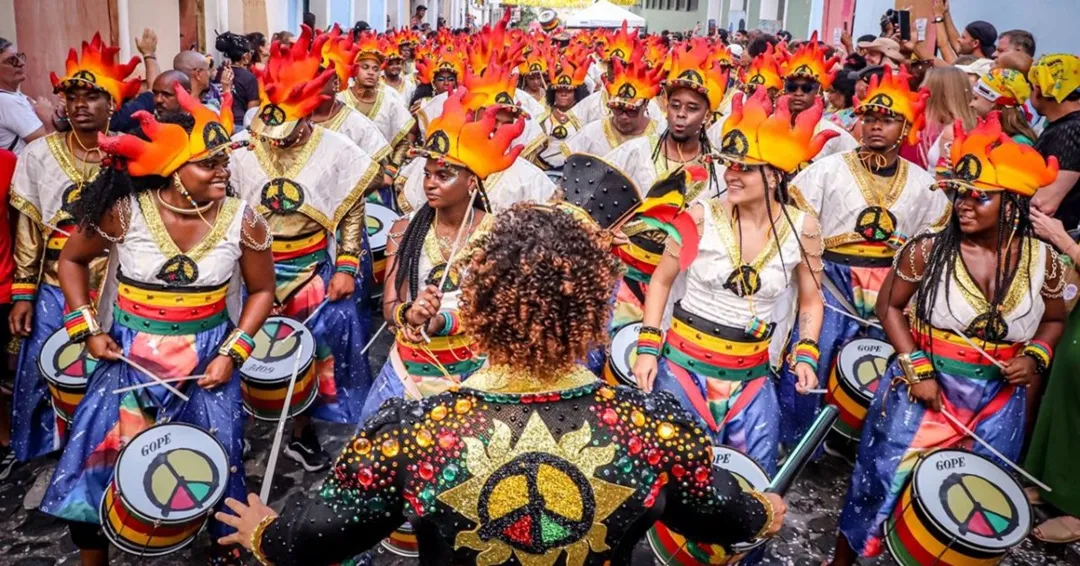
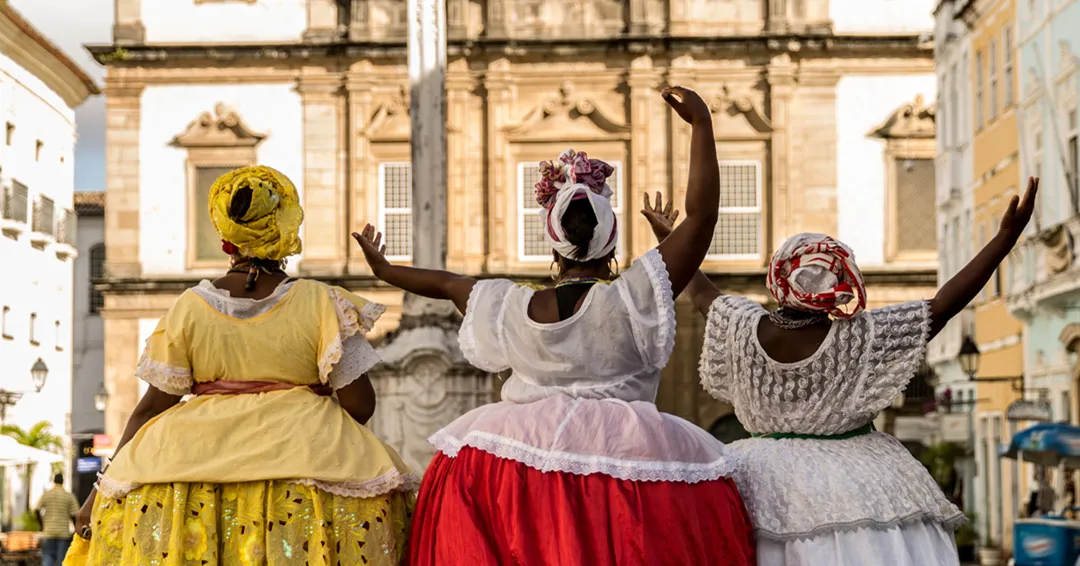
Salvador is the heart of Afro-Brazilian culture and home to one of the largest populations of African descent outside Africa. That heritage lives in Candomblé and its terreiros, in the Yoruba language recognised as intangible heritage of the city, in capoeira, in samba de roda and in the drums that travel through the neighbourhoods at dusk. It lives at the table too, with acarajé prepared by the baianas, vatapá and moqueca cooked in dendê oil. Named a UNESCO City of Music, Salvador thrives on rhythms born in its streets that went on to conquer the world.

Things to Do

Walking the slopes of Pelourinho in the early morning to the sound of drumming rehearsals, riding the Lacerda Lift for a view over the Bay of All Saints and watching the sunset beside the Barra Lighthouse are natural starting points. You can also try a capoeira class with a local group, learn to prepare a moqueca with cooks from the region, sail out to the islands in the bay, visit artisans' studios in the Rio Vermelho district and set aside a whole morning for the calm waters of Itapuã and Stella Maris.

Tourist Attractions

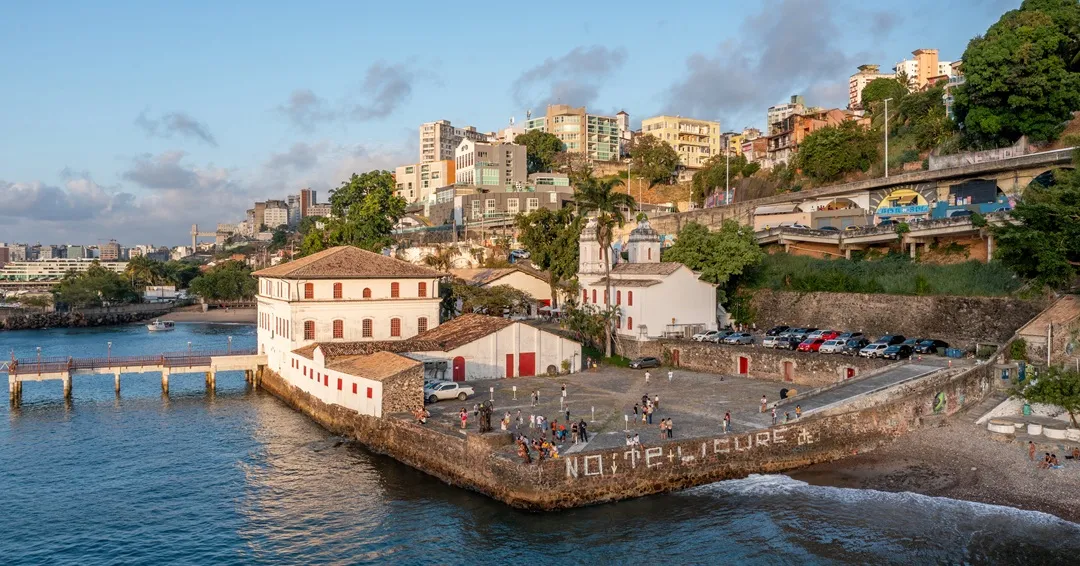
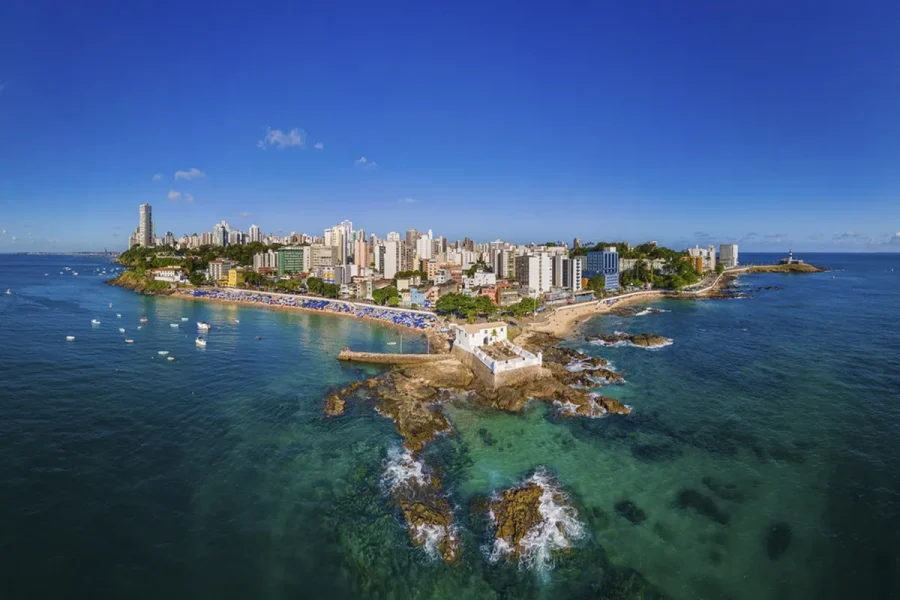
The Historic Centre, listed by UNESCO, brings together the Largo do Pelourinho, the Terreiro de Jesus and the Church of São Francisco, whose interior is entirely covered in gilded woodcarving. In the Lower City you will find the Mercado Modelo and the Church of Senhor do Bonfim, wrapped in colourful ribbons. By the sea stand the Santo Antônio da Barra Fort, with its historic lighthouse, and the Dique do Tororó, with its sculptures of orixás rising from the water. Abaeté Park, in Itapuã, holds a dark lagoon ringed by white dunes.


Festival Calendar, Events and Holidays

The local year opens with the Washing of Bonfim, on the second Thursday of January, when thousands of baianas dressed in white climb in procession to the church. On 2 February, Rio Vermelho fills with offerings for the Festival of Iemanjá. Carnival arrives between February and March, described as the largest street party in the world, with trios elétricos and Afro blocos. June brings the São João festivities and, on 2 July, the city celebrates Bahian Independence. December closes the calendar with the Feast of Saint Barbara, on the 4th.

Weather

Salvador has a warm, humid tropical climate all year round, with an annual average close to 26 °C. Lows rarely dip below 21 °C and highs hover around 30 °C in the warmest months, from December to March. The steady Atlantic breeze makes the heat considerably gentler, especially along the seafront. The wettest period runs from April to July, with heavy but generally brief showers that leave room for sunshine later on the same day. From September to March the days are drier, brighter and well suited to the beach.

How to Get There

Salvador has its own international airport, receiving flights from Europe and direct links at certain times of year, alongside very frequent connections through São Paulo, Rio de Janeiro or Recife. The city centre lies about thirty kilometres from the airport, reached by metro, by bus or by private transfer. By road, the city connects to the rest of the country via the BR-324, BR-101 and BR-116 highways, with a coach terminal serving long-distance routes. Discover Brasil is happy to help with the details.

DISCOVER MORE

Salvador is waiting for you, with music in the streets, history on every slope and the sea always in view. Explore the experiences Discover Brasil has arranged in this destination and book your next journey today.

Bahia, Brazil
2026-08-05 23:32:25

Rio de Janeiro, Chapada Diamantina and Salvador: 10 Days of Beaches, History and Nature

0 (No Review)
2026-08-05 23:32:25