History

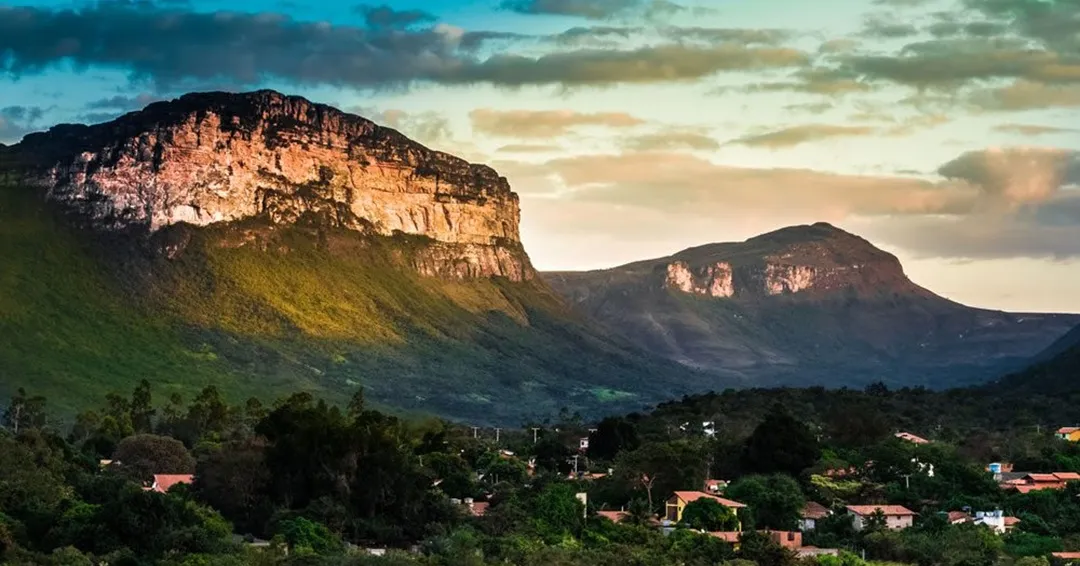
Vale do Capão, officially named Caeté-Açu, stretches for about ten kilometres between mountain ridges in the municipality of Palmeiras, inside the Chapada Diamantina National Park. Local memory holds that the first inhabitants of these mountains were quilombola families settled here long before the explorers arrived, an oral tradition that remains unconfirmed by documents. Recorded settlement begins in the eighteenth century, when the Portuguese Crown pushed inland in search of gold, and gathered pace after 1844, when the first diamonds found at Mucugê drew thousands of prospectors to the whole of the Chapada. Capão began as an agricultural project meant to supply the mining fronts. When diamonds lost their value in the second half of the nineteenth century, the fertile soil of the valley kept the settlement alive, and the village then known as Capão Grande became an important coffee-producing centre, served by dozens of waterwheels of which only traces remain. The lack of roads drove investors away, and only in 1889 was the link to Lençóis opened, walked today as the Trilha das Mulas. The place first appeared on a map in 1892 and, after a severe drought, some residents crossed the Gerais do Vieira and founded Vale do Pati. From the 1970s onwards, new residents drawn to community life and ecological farming shaped the character the valley still holds.

Culture

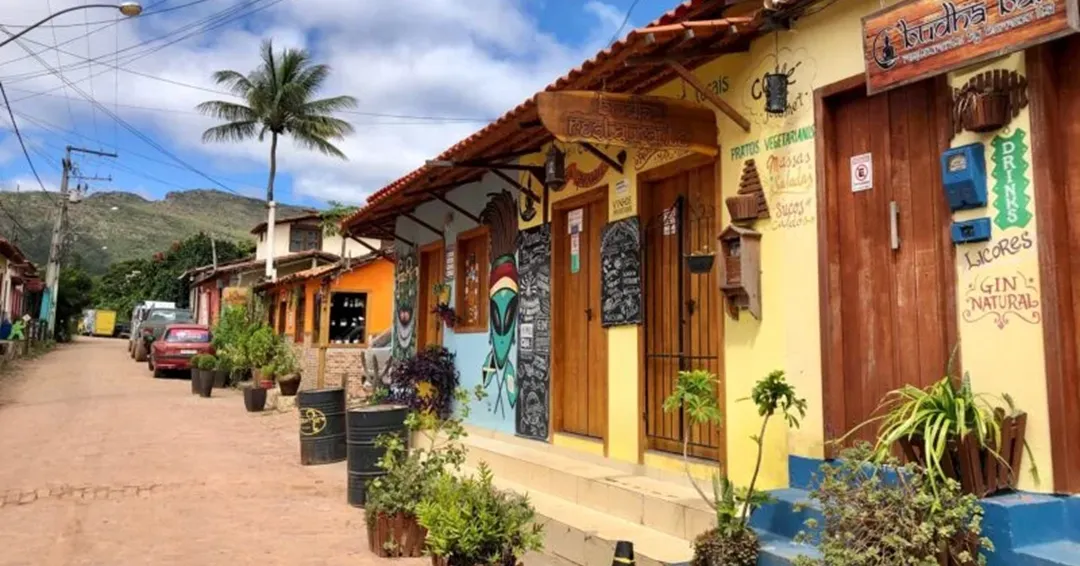
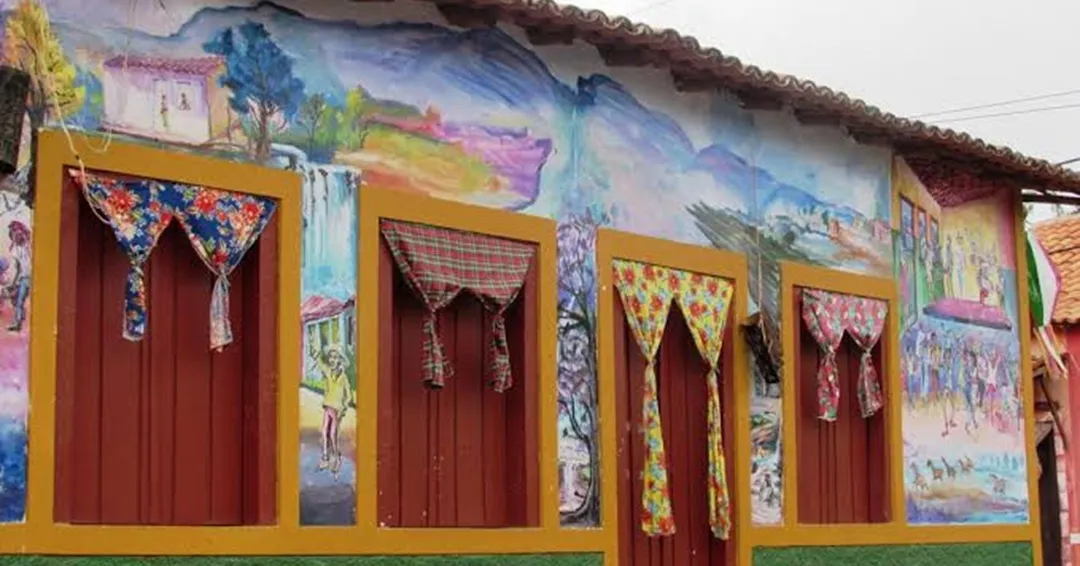
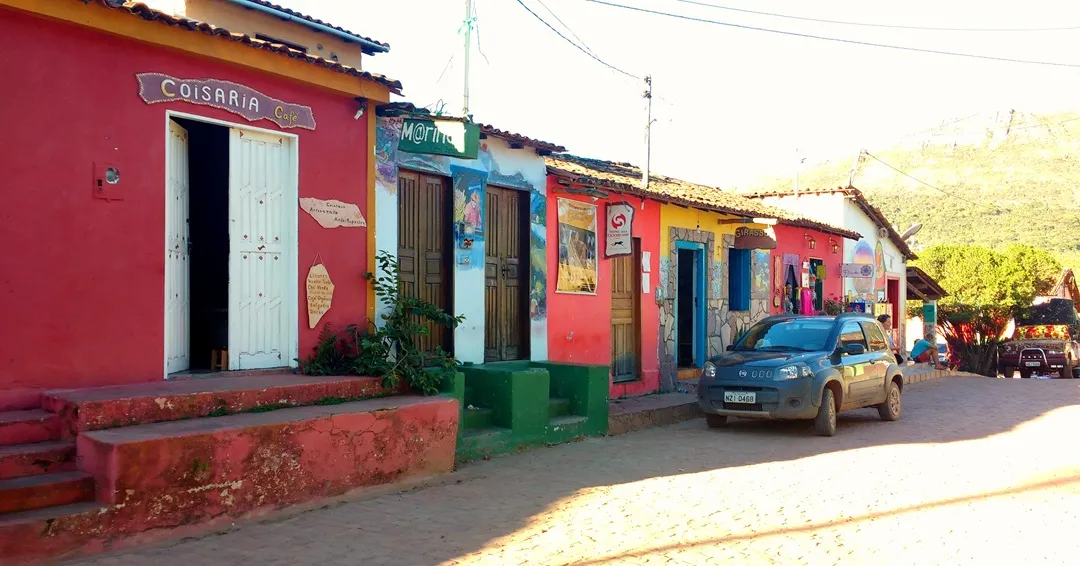
Cultural life in Vale do Capão grows out of the meeting between the backcountry families who have farmed these ridges for generations and the residents who settled here from the seventies onwards, arriving from across Brazil and from Europe. The result is a small village with a remarkably full calendar, where old Catholic devotions sit alongside ecological farming, craftwork, capoeira, music and a cuisine with a strong vegetarian presence. Festivals and community projects are run through local associations, which gives visitors the feeling of stepping into a living, well-organised community.

Things to Do

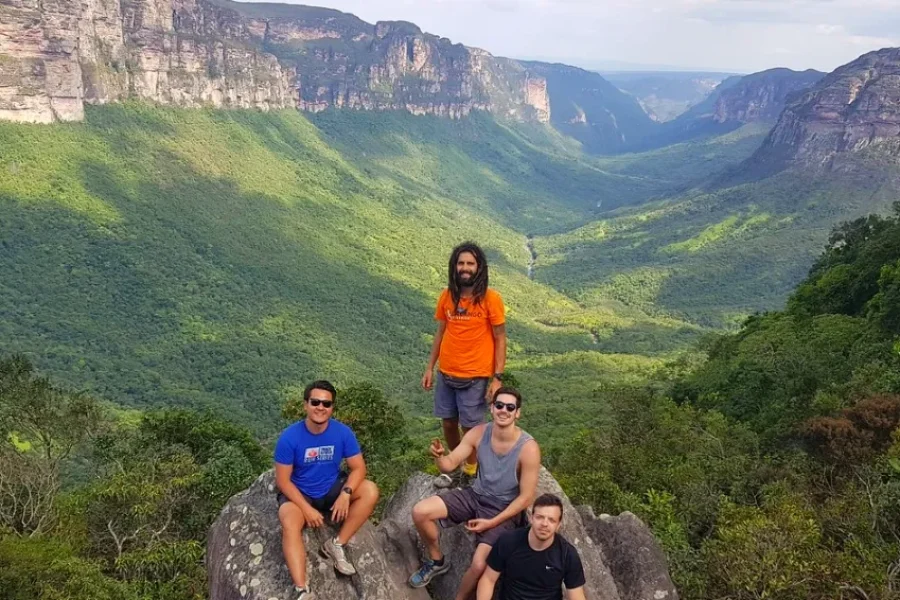
Walking is the heart of any stay in Vale do Capão, whether on short routes to the pools and waterfalls near the village or on the multi-day crossing to Vale do Pati, considered one of Brazil's great trekking routes. Those after a slower pace will find yoga, massage, craft workshops and visits to ecological farming projects. In the late afternoon the main square fills with cafés, restaurants and shops selling local produce, and clear night skies make stargazing a plan in itself. All routes require an accredited guide.

Tourist Attractions

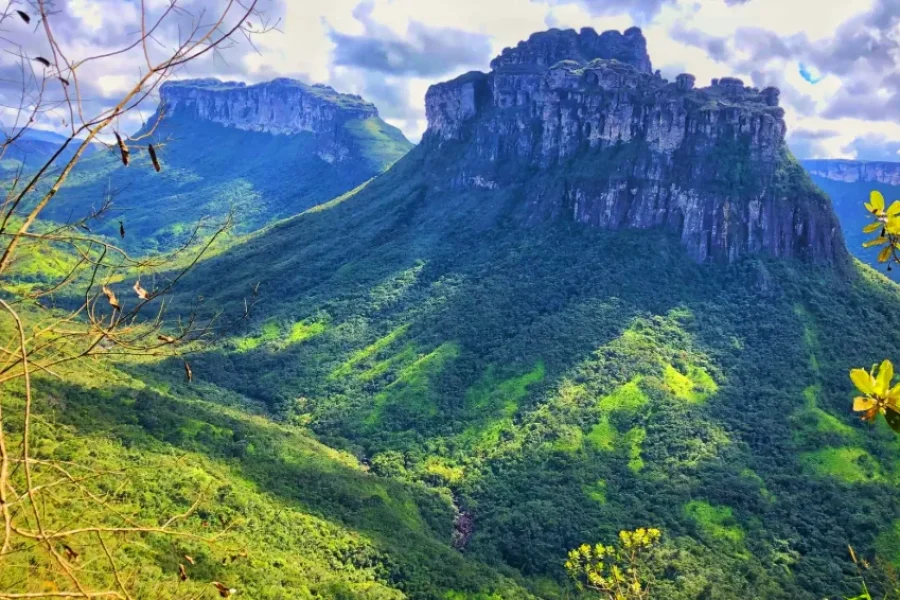
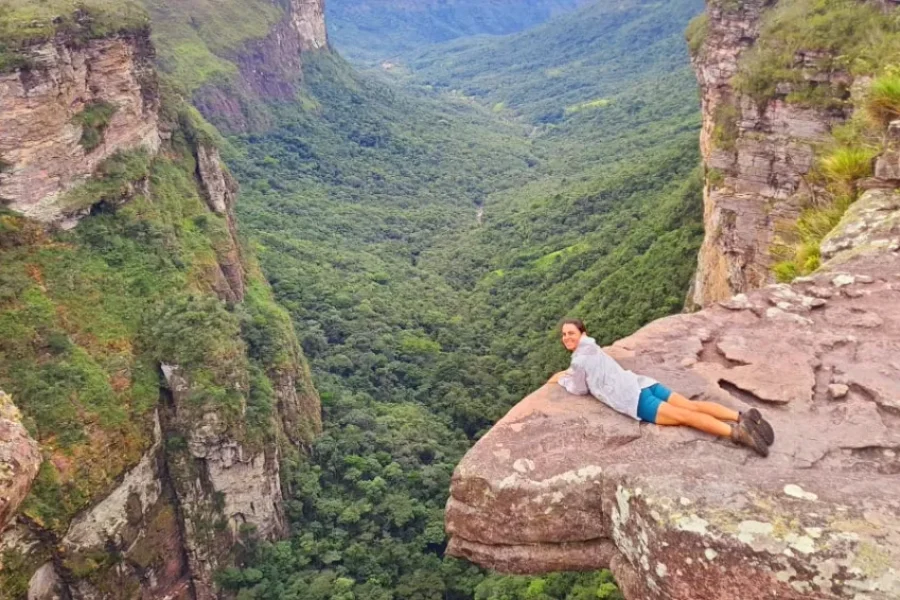
The signature sight is Cachoeira da Fumaça, a fall of more than three hundred metres that dissolves into mist before reaching the ground, reached by a demanding trail leaving from the village. From Capão you can also climb the Morrão, one of the witness hills of the Pai Inácio Anticline, and reach Morro do Pai Inácio, the most photographed viewpoint in the Chapada Diamantina. Nearby lie the Riachinho, Angélica and Purificação waterfalls, the Águas Claras route and the Gerais do Vieira, a plateau of low vegetation that opens the way to Vale do Pati.

Festival Calendar, Events and Holidays

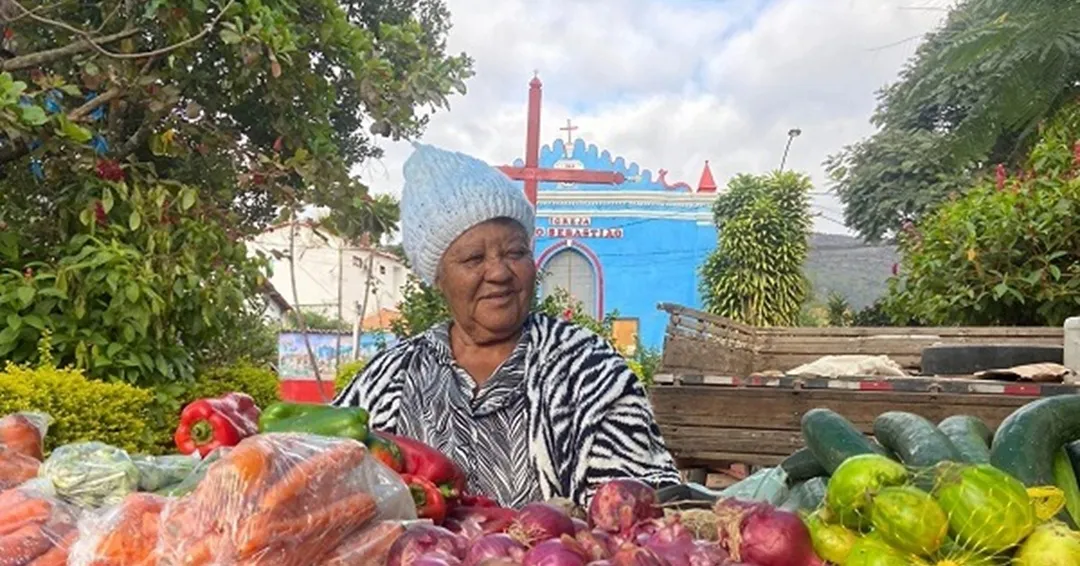
The year opens with the feast of São Sebastião, patron saint of the village, held on 19 and 20 January with mass, procession, dawn fireworks and music into the small hours. June brings the June festivities, with bonfires, quadrilha dancing, traditional food and forró pé de serra in a warm, participatory setting. September brings the Caruru de São Cosme e Damião, an Afro-Bahian tradition of sharing food. Music festivals, art shows and mountain races also appear through the year, with programmes that vary from edition to edition.


Weather

Set at around a thousand metres and sheltered by ridges, Vale do Capão enjoys a pleasant microclimate for most of the year, with an average temperature close to nineteen degrees. The wettest months run from November to March, when afternoons bring short showers and the waterfalls reach their fullest. Between April and September the weather is drier and steadier, with sunny days and cold nights, especially in June and July, when temperatures can drop sharply on the higher ground. Light clothing for the day and a warm layer for the evening are worth packing in any season.

How to Get There

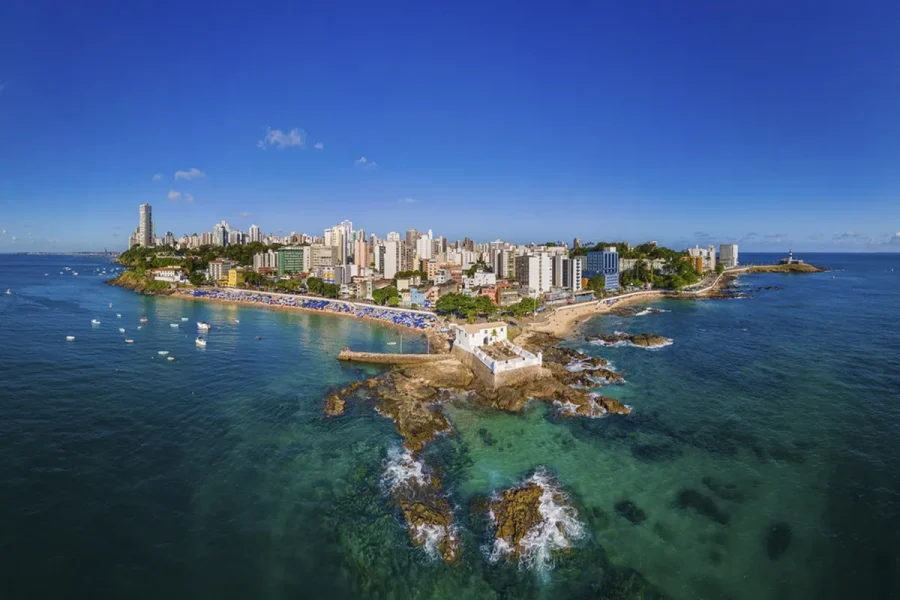
Travellers from Europe usually arrive at Salvador international airport, served by direct flights and by connections through several Brazilian capitals. From Salvador to the Chapada Diamantina it is about four hundred kilometres by road, a journey made by scheduled coach, private transfer or hire car, with the usual stop in Palmeiras or Lençóis. The final stretch follows a beautiful mountain road served by local transport. There is also a small regional airport at Lençóis with seasonal flights. Discover Brasil can arrange every detail of the journey.

DISCOVER MORE

Guided trails, waterfalls, mountain crossings and experiences shared with the people who live in the valley: explore the activities available in Vale do Capão and book your next Chapada Diamantina adventure with us.

Bahia, Brazil
2026-08-05 23:34:11

Unforgettable Trekking in the Pati Valley: Adventure in Chapada Diamantina

4.8 (2 Reviews)
2026-08-05 23:34:11
Bahia, Brazil
2026-08-05 23:34:11

Adventure in Pati Valley: Trekking and Nature in Chapada Diamantina

5 (1 Review)
2026-08-05 23:34:11
Bahia, Brazil
2026-08-05 23:34:11

Explore the Pati Valley: A Trekking Journey in the Chapada Diamantina

5 (1 Review)
2026-08-05 23:34:11
Bahia, Brazil
2026-08-05 23:34:11

Rio de Janeiro, Chapada Diamantina and Salvador: 10 Days of Beaches, History and Nature

0 (No Review)
2026-08-05 23:34:11