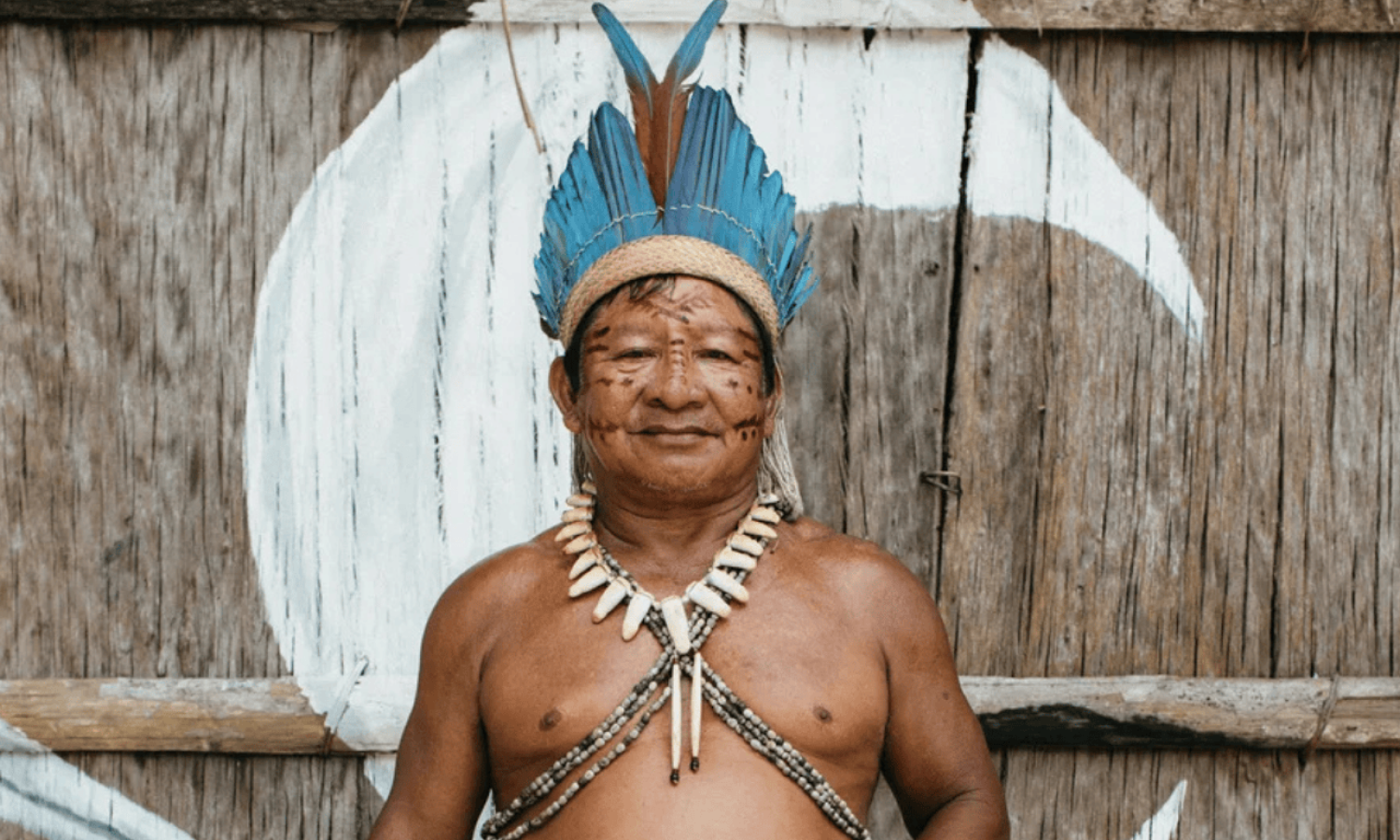
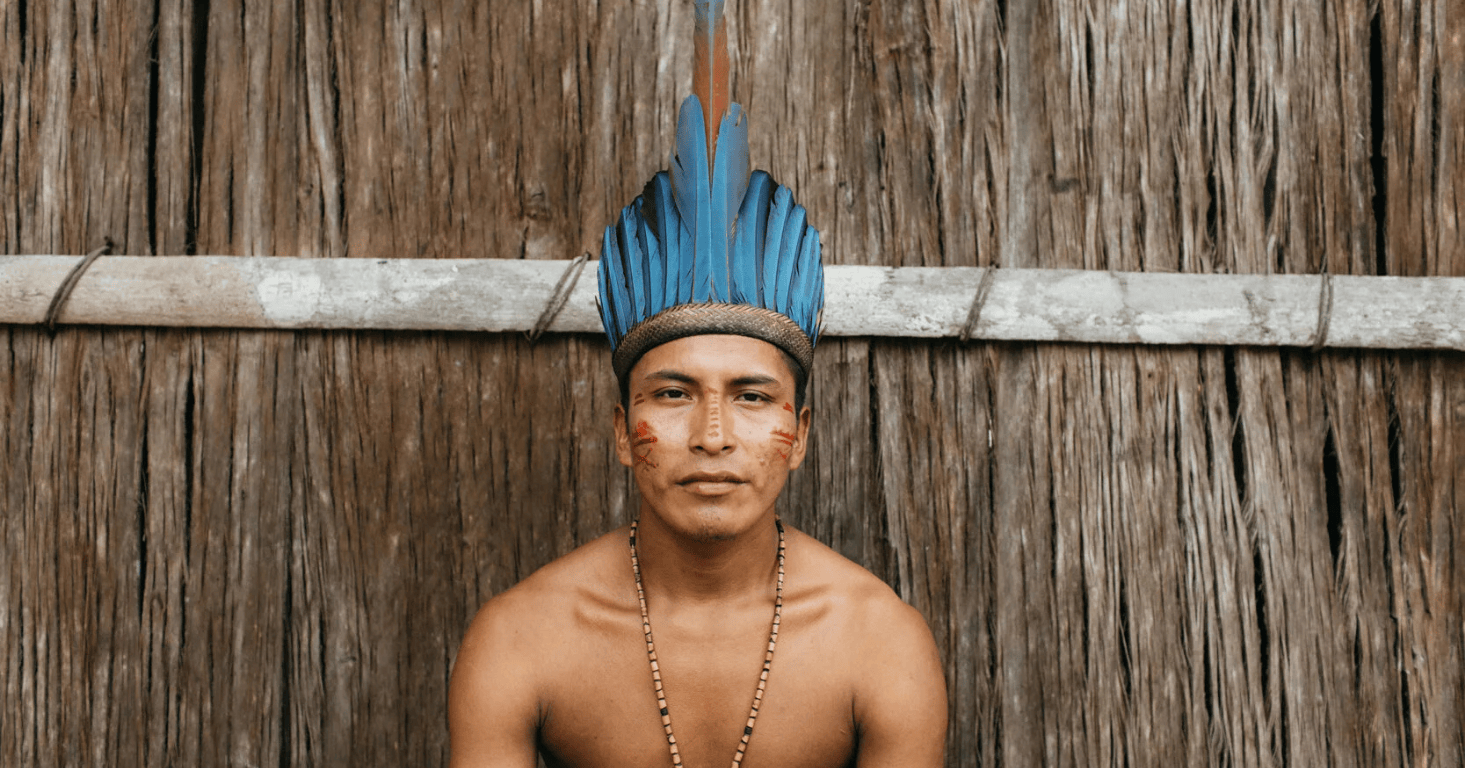
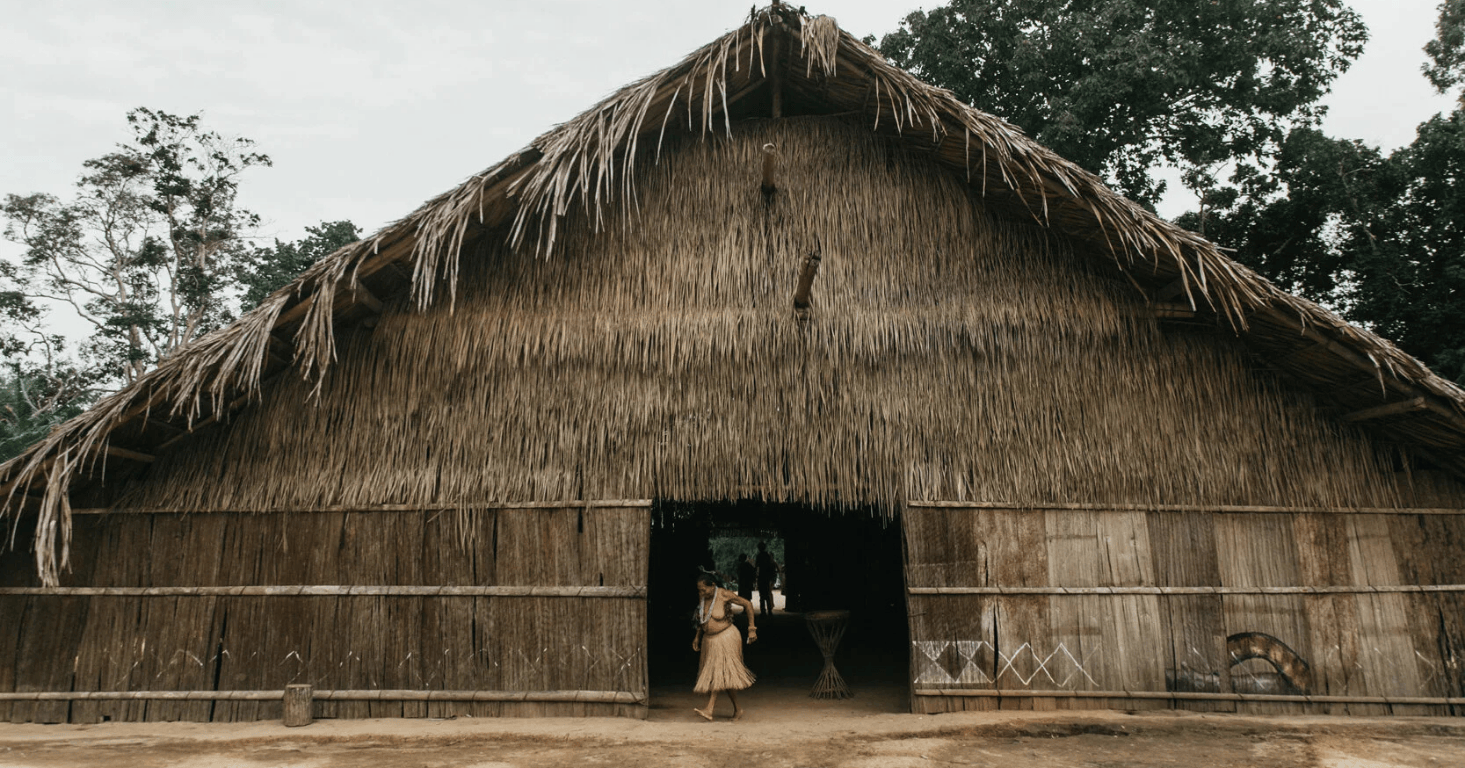
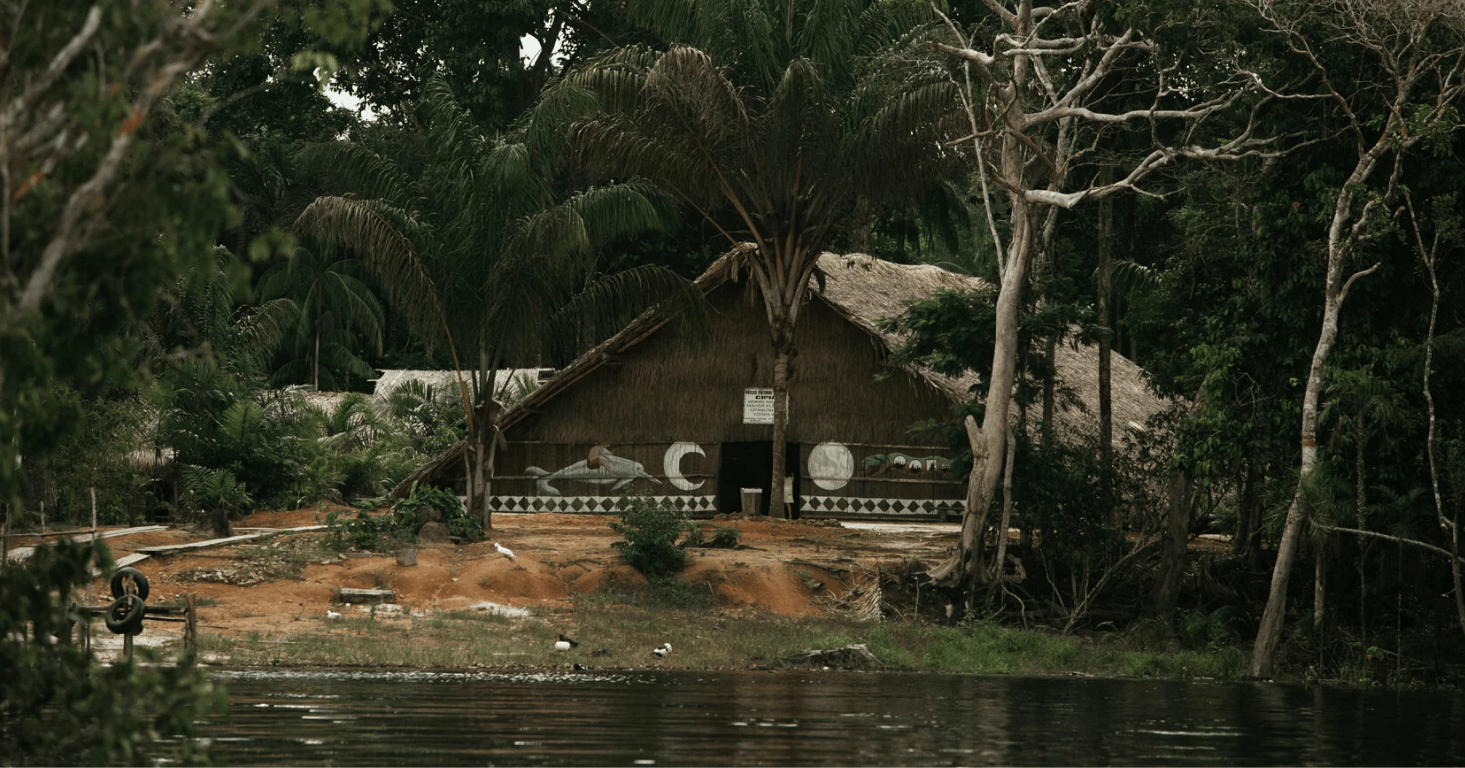
Located on the right bank of the Rio Negro, near Manaus, the Cipiá Indigenous Community is made up of families originally from the Upper Rio Negro who migrated in search of better living conditions, without relinquishing their roots. It brings together representatives of seven ethnic groups from the Tucano linguistic family: Tessana, Tucana, Tuyuca, Tatuia, Cubeua, Macuna and Bará. The name “Cipiá” means “joyful people” in the Tucano language, reflecting the welcoming spirit of the village. With strong leadership from the Desana people, the community has established itself as a reference in community-based tourism, transforming ethnotourism into a tool for cultural appreciation and autonomy. By keeping its ancestral identity alive, Cipiá demonstrates resilience and collective organisation, balancing tradition with dialogue with the contemporary world, particularly through the mindful reception of visitors interested in Amazonian culture.
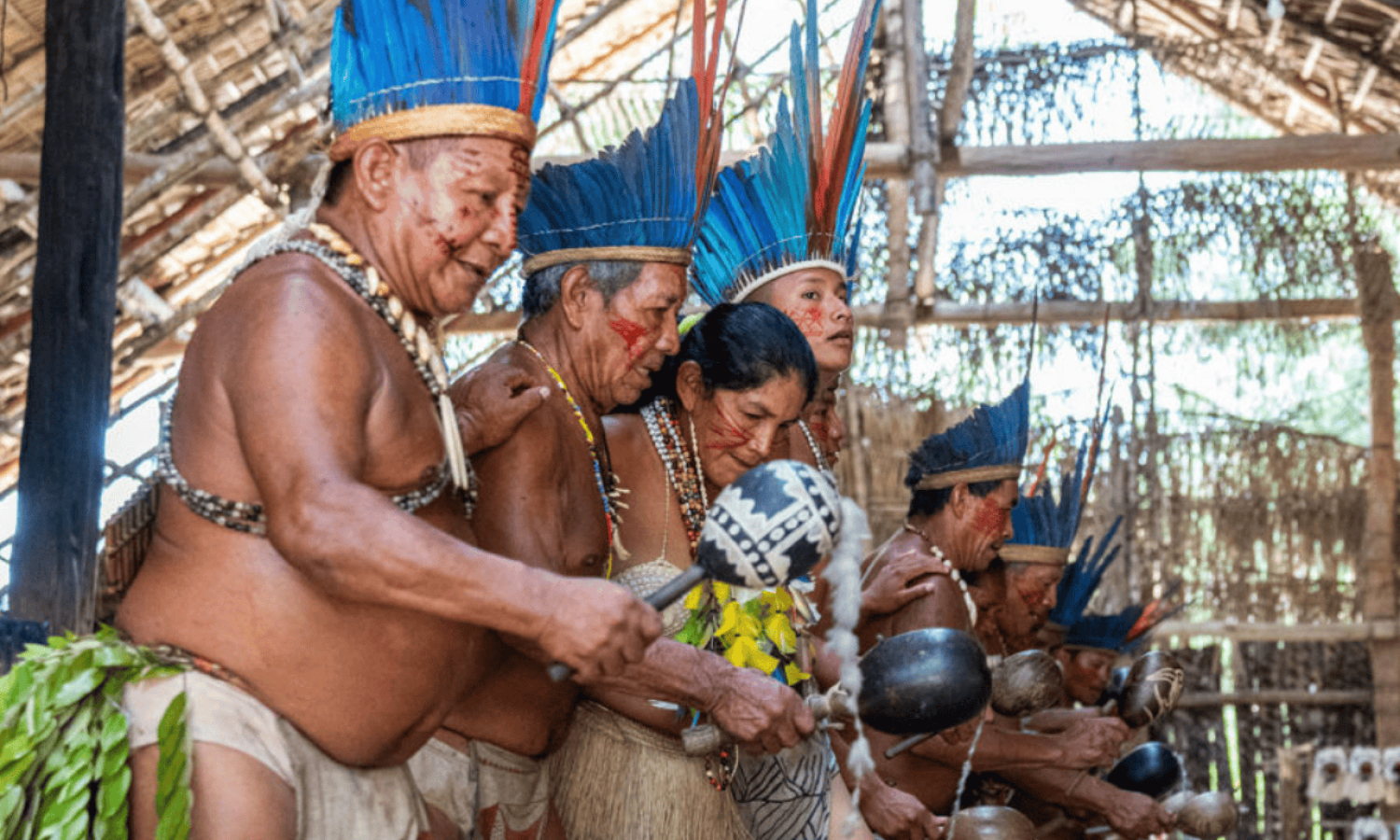
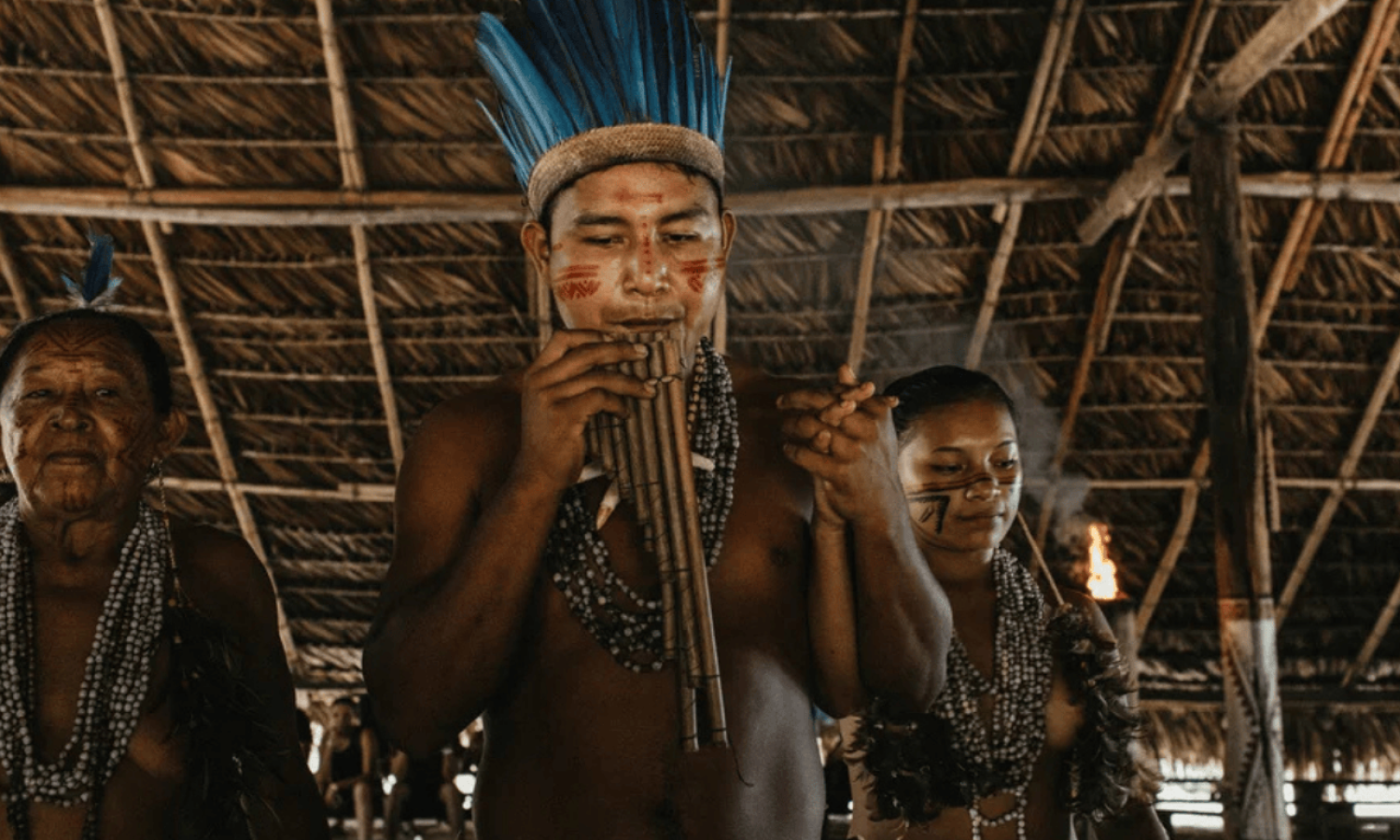
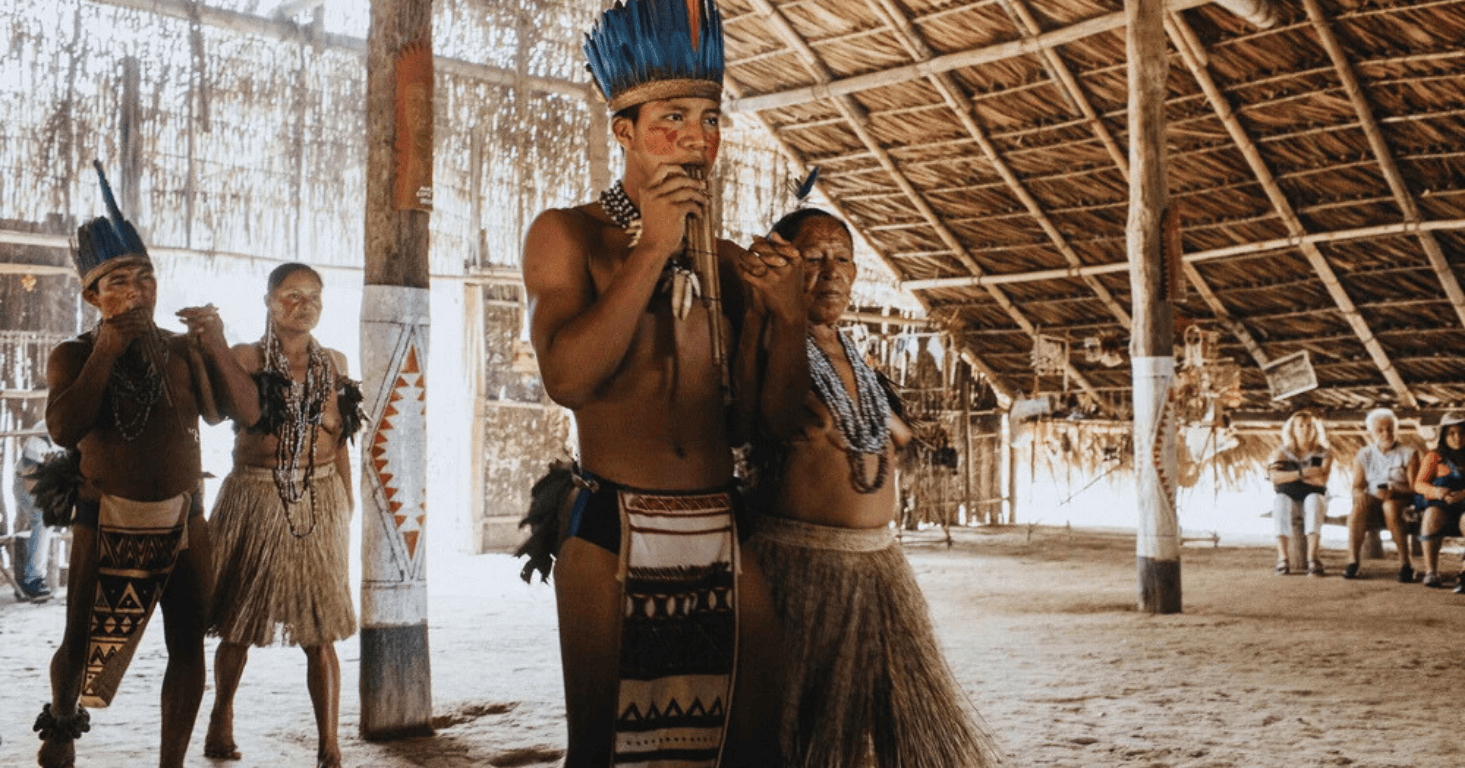
Cipiá’s cultural richness lies in the diversity of its peoples and the harmonious coexistence of different traditions within the Tucano cultural group. Although each ethnic group preserves its own language, Tucano serves as a common language, while Portuguese is used in interactions with visitors. Culture is lived in daily life: in the flour house, where cassava is transformed into flatbread and flour; in oral narratives explaining the origin of the peoples and the forest; and in artistic expressions passed down through generations. The community also welcomes cultural exchanges, hosting initiatives such as “Orchestra in the Forest”, which combined classical music with traditional instruments, as well as projects linked to hip hop. This openness reinforces Indigenous protagonism, showing that tradition and innovation can go hand in hand, offering European visitors an authentic, regenerative and respectful experience.
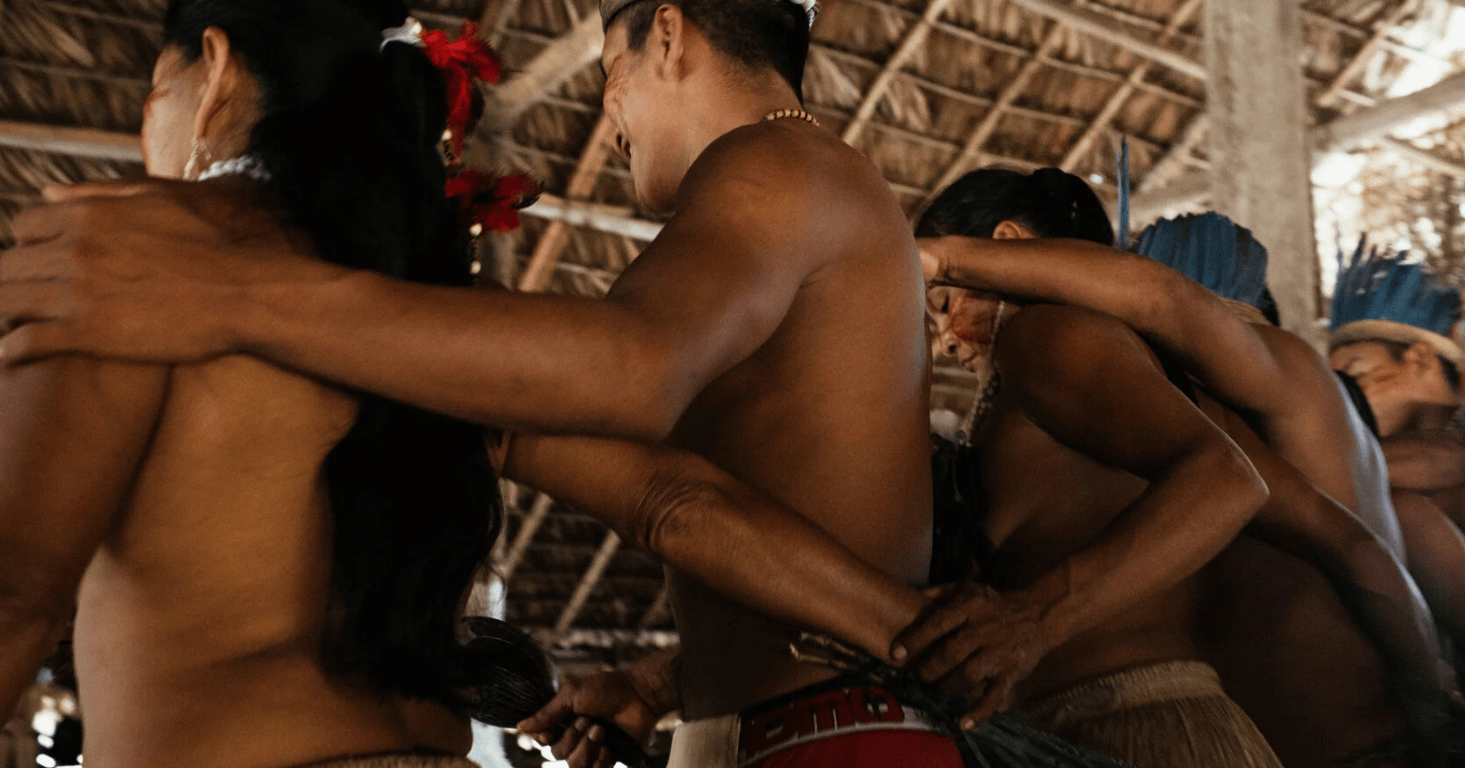
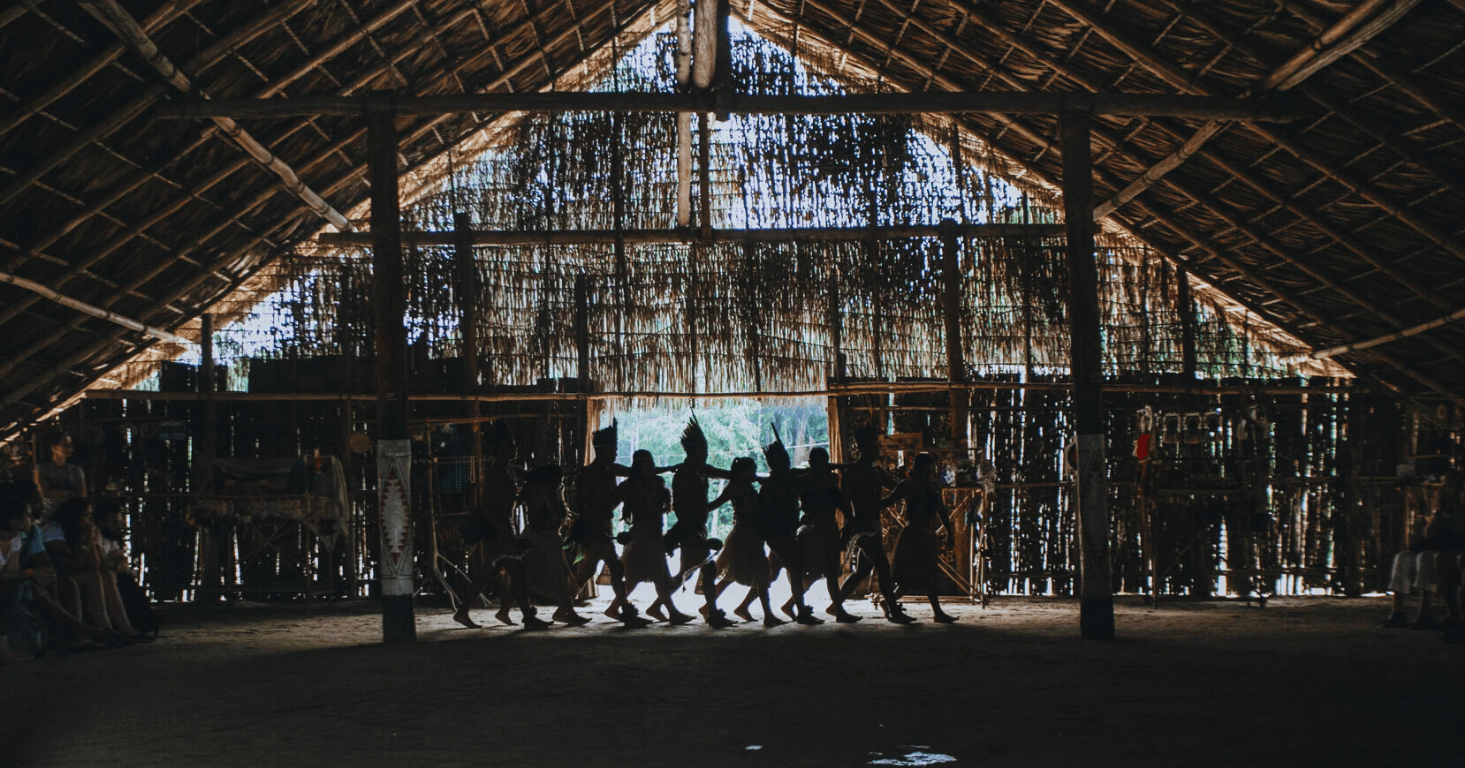
Among the traditions preserved in Cipiá, the Dabucuri stands out — an ancestral welcoming ritual symbolising sharing, celebration and hospitality. During the reception, visitors are invited to understand the spiritual meaning of the ceremony, which involves chants, dances and body painting with annatto. Cultural performances reveal the deep connection between the people and nature, expressed through myths, graphic motifs and traditional rhythms. Handicrafts, made from seeds, fibres and wood, carry cosmological symbols and represent an important source of sustainable income. Traditional food, based on cassava, reinforces the bond with the land and ancestral forest knowledge. By taking part in these experiences, travellers are not merely spectators but are invited to reflect on ways of life more closely integrated with nature, in a cultural exchange grounded in mutual respect.
The community has a collective structure, with strong leadership from the Desana people and decisions taken in a participatory manner. Tourism is organised as a community activity, ensuring that benefits are distributed among families. Management prioritises autonomy, cultural preservation and environmental sustainability.

The main economic activity is community-based tourism. The sale of handicrafts, cultural performances and traditional gastronomy complement income. Cassava flour production is also essential for subsistence and local trade.
Spirituality is linked to the Indigenous cosmology of the Upper Rio Negro. Rituals, chants and myths explain the origin of the world and reinforce the connection with the forest and the ancestors. The Dabucuri symbolically expresses this spiritual dimension.
Traditional knowledge of medicinal plants is preserved by families. Roots, bark and leaves are used in natural preparations, based on ancestral wisdom transmitted orally across generations.
Cipiá represents cultural resistance and affirmation of identity. By valuing community tourism, it strengthens its economic autonomy and reaffirms the right to preserve its traditions, language and cultural territory.
From Manaus, access is by river along the Rio Negro in a regional motorboat, taking approximately 40 to 60 minutes. For visitors travelling from Europe, the journey includes an international flight to Manaus and transfer organised by local operators specialising in ethnotourism.
Experience an authentic immersion in ancestral Amazonian culture. Book your experience at the Cipiá Community with Discover Brasil and connect with a sustainable, welcoming and transformative way of life.
Sign up to receive exclusive offers and special benefits as soon as you register!
We noticed you're visiting from Brazil. We've updated our prices to Brazilian real for your shopping convenience. Use Euro instead. Dismiss