Porto Velho, the capital of the state of Rondônia, grew out of the challenge of connecting the interior of the Amazon to the rest of the world. The first settlers arrived in the region around 1907, during the construction of the Madeira-Mamoré Railway, a project that brought together thousands of workers from dozens of nationalities, among whom Caribbean labourers, particularly Barbadians, stood out and gave rise to the neighbourhood now known as Alto do Bode. The city was officially founded on 2 October 1914 and grew alongside the region’s rubber economy, which brought prosperity before declining in the face of competition from Asian latex. In 1943 it became the capital of the newly created Federal Territory of Guaporé, a status it held through the Second World War, when international demand for Amazonian rubber rose once again. In the following decades, the discovery of cassiterite and gold along the Madeira River, together with the growth of cattle farming, drew waves of migrants that pushed the population up sharply. In 1982 the former territory was raised to statehood, with Porto Velho firmly established as the capital of Rondônia. Today the city still carries the marks of that railway and migratory past in its architecture, museums and the multicultural identity that continues to define its people.
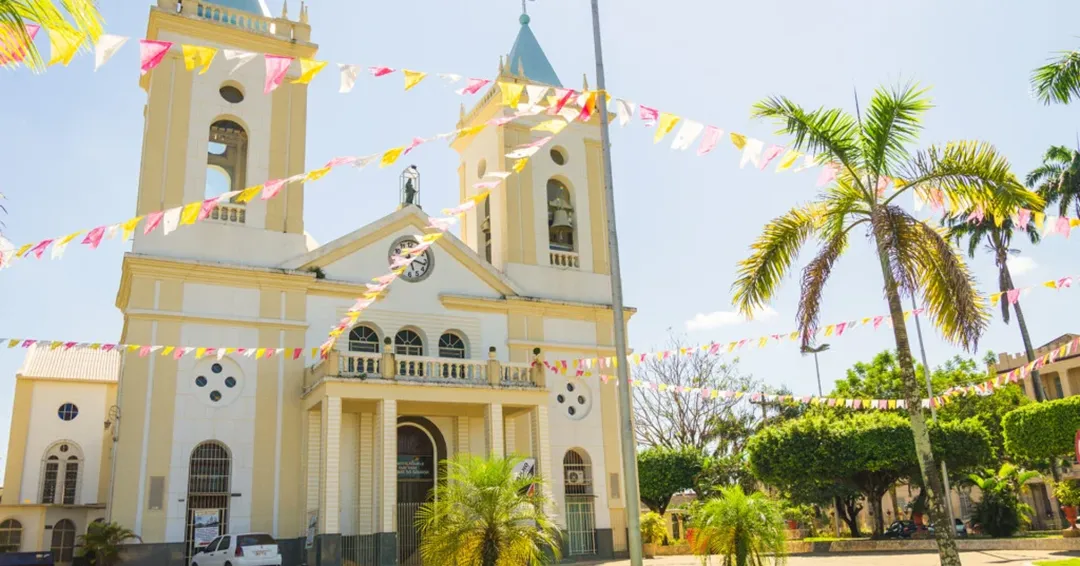
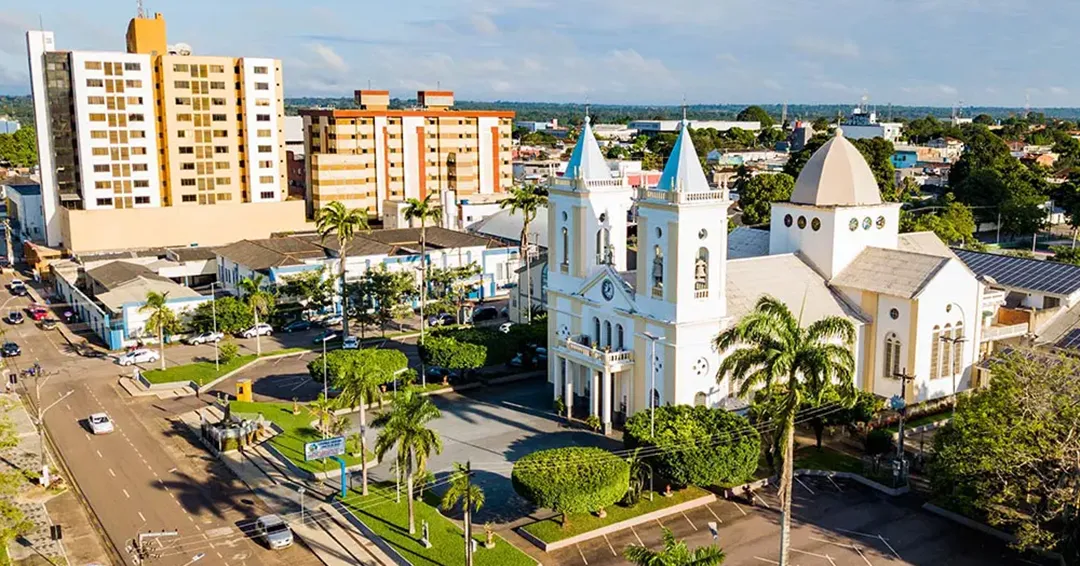
Porto Velho's culture reflects the meeting of peoples who settled there over more than a century. Northeastern Brazilian heritage lives on in the Bumba Meu Boi dance and the June festivals, while Amazonian legends, such as the Iara and the Boto, still shape the local imagination. The Casa da Cultura Ivan Marrocos, the Palácio da Memória Rondoniense Museum and the Sagrado Coração de Jesus Cathedral all hold pieces of that memory. Indigenous crafts made from clay, vine, bamboo and rubber complete a living, diverse portrait of the city.

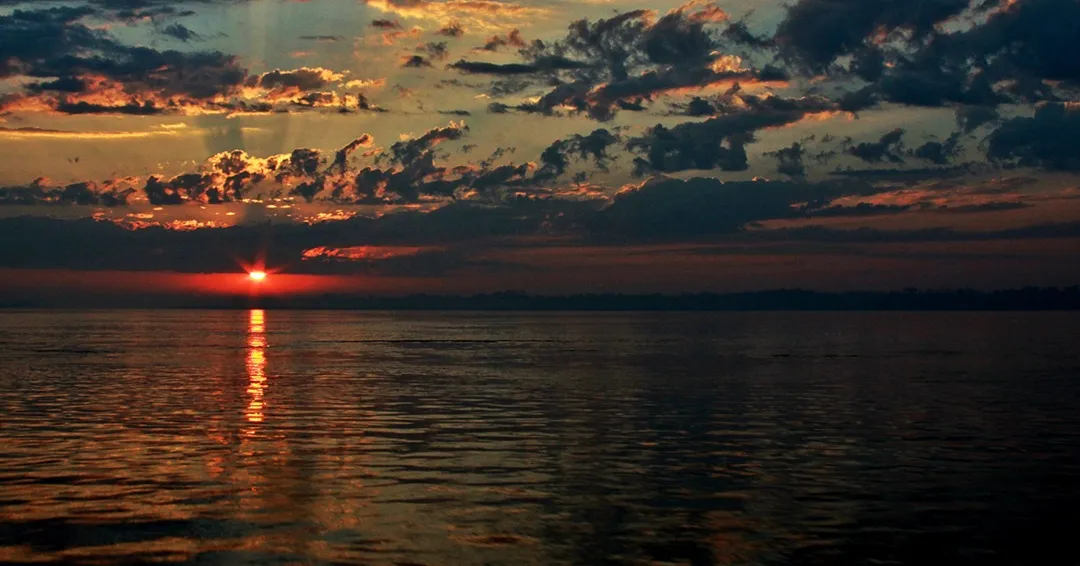
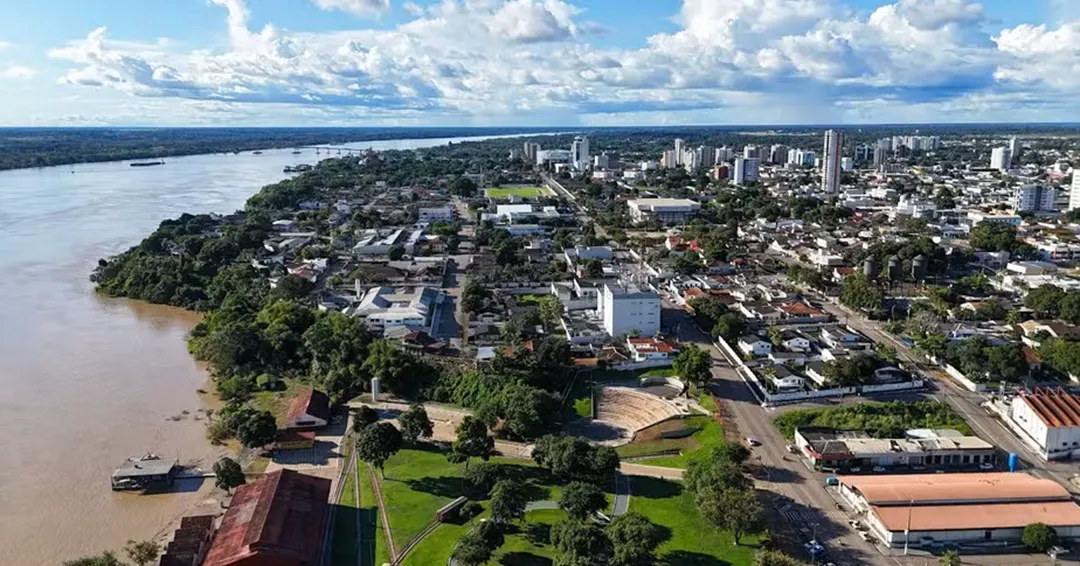
In Porto Velho, days often begin with a stroll along the banks of the Madeira River and end aboard a boat, watching for river dolphins as the sun goes down. It's worth exploring the historic centre around the old Madeira-Mamoré railway station, sampling regional flavours at the Mercado Central and wandering through the Mercado Cultural, alive with live music and craft stalls. For those after nature, Porto Velho Natural Park and Espaço Alternativo Park offer trails, lakes and quiet moments right by the rainforest, just minutes from the centre.
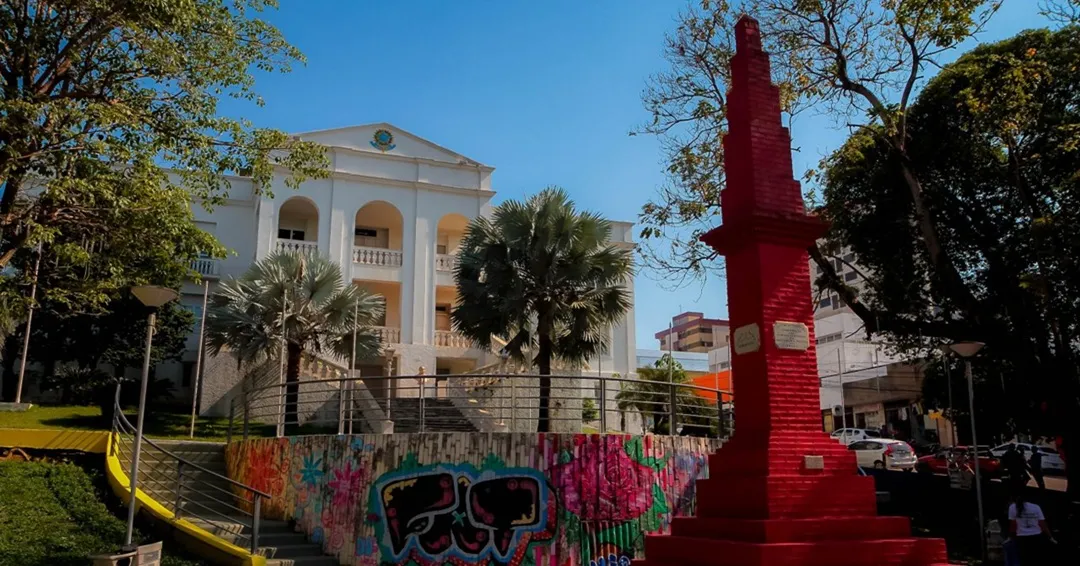
In the city centre, the Três Caixas D'Água water towers, Porto Velho's best-known symbol and a feature of the municipal flag, share the spotlight with the Sagrado Coração de Jesus Cathedral and Praça Getúlio Vargas. The old Madeira-Mamoré railway station recalls the epic engineering feat that gave rise to the city, while the Palácio da Memória Rondoniense Museum tells its more recent story. On the outskirts, the Rondon-Roosevelt Bridge over the Madeira River and the Rondon Memorial complete a route that ties together heritage, nature and landscape.
Carnival is one of the highlights of Porto Velho's calendar, with samba school parades that draw visitors from across the North of Brazil. In July, an out-of-season Carnival brings trio elétrico sound trucks and Bahian rhythms to the streets, with Axé taking centre stage. The June festivals, marked by the Bumba Meu Boi dance and the Pastorinha, liven up the month of June, while religious celebrations linked to the Metropolitan Cathedral keep local tradition alive throughout the year and draw pilgrims from other towns.
Porto Velho has a hot tropical climate all year round, with average temperatures between 23°C and 33°C and high humidity typical of the Amazon. The rainy season runs from November to April, bringing frequent, heavy downpours. The dry season, from May to October, brings milder, less humid days and is generally considered the best time to visit and explore the city's riverside landscapes outdoors in greater comfort.
Travellers usually arrive in Porto Velho through Porto Velho International Airport, just a few kilometres from the city centre, with regular connections from Brazil's main cities. Those travelling from Europe should expect at least one stopover in another Brazilian city before the final flight to Rondônia. By road, the BR-364 highway links the city to other destinations across the Amazon region. For flights, local transport and other travel arrangements, Discover Brasil can help put together every step of the journey.
Let yourself be drawn in by the Madeira River, the railway history and the colours of this Amazonian city. Book your Porto Velho experiences with Discover Brasil now and enjoy something authentic, sustainable and unforgettable in the heart of Northern Brazil.