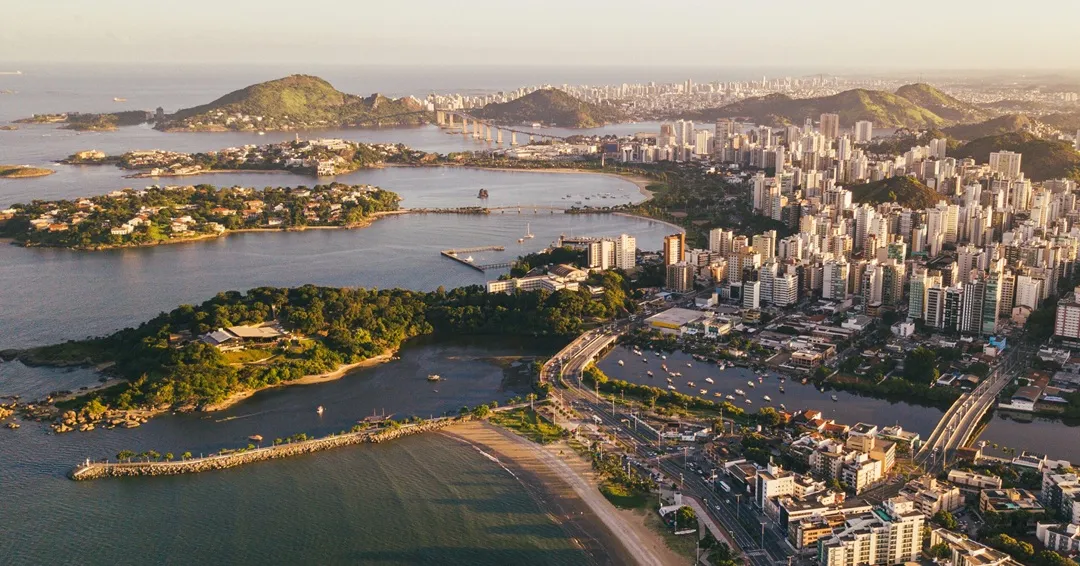
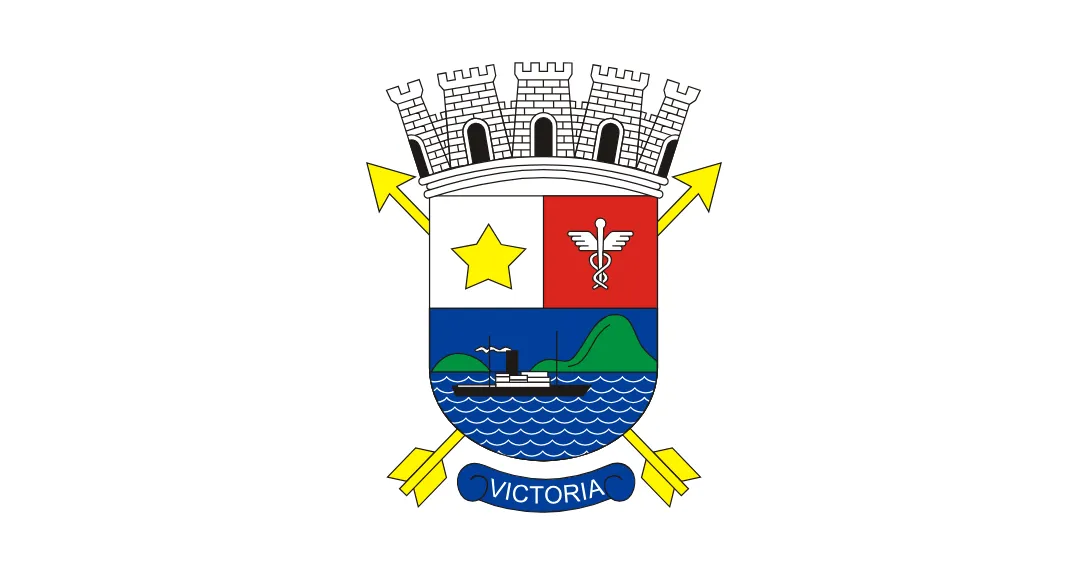
Founded on 8 September 1551 under the name Vila Nova do Espírito Santo, Vitória began on a small island in the bay that bears its name, chosen by the Portuguese as a safer refuge than Vila Velha, the capitania’s original capital and a frequent target of indigenous attacks as well as French and Dutch raids. The city’s present name commemorates the victory won by the donatory captain Vasco Fernandes Coutinho over the Goitacá people, and it became permanently linked to the settlement in the centuries that followed. Built initially on the higher ground of the island’s central massif, among narrow streets and fortifications facing the sea, the town remained isolated and grew slowly throughout the colonial period, only being granted city status in 1823. From 1894 onwards, successive land reclamation works tied to the coffee boom reshaped the island considerably, opening the way for expansion into the lower areas and the emergence of new neighbourhoods. The construction of the first bridge linking the city to the mainland in 1927, followed by its first port terminal in 1941, marked the start of a new economic era, one that gathered pace from 1970 with the growth of the port and the onset of industrialisation. Now the capital of Espírito Santo, Vitória still holds, within its historic centre, living traces of that past, standing alongside a modern, cosmopolitan city recognised for one of the highest human development indexes among Brazilian state capitals.
Vitória mirrors the blend of influences that shaped Espírito Santo, drawing on Portuguese, indigenous and African roots alongside Azorean, Italian and Pomeranian immigration. Catholicism runs deep through the local calendar, most notably through devotion to Our Lady of Penha. The tradition of the paneleiras of Goiabeiras, who hand make the clay pots used to cook moqueca capixaba, has been recognised by UNESCO as Intangible Cultural Heritage of Humanity. Theatre, music and local craftsmanship round out a cultural identity that is understated yet genuine and well preserved.
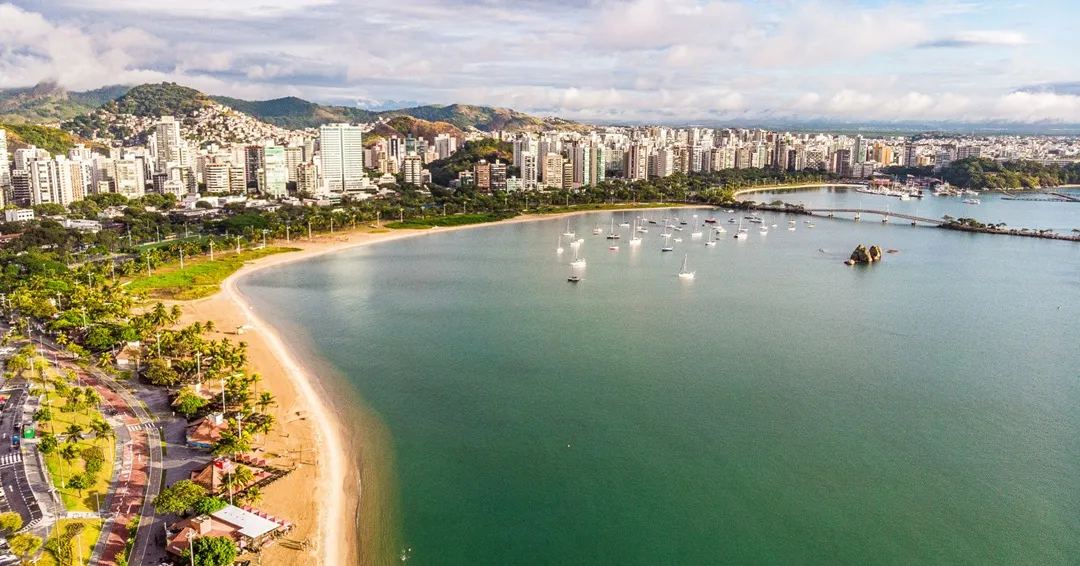
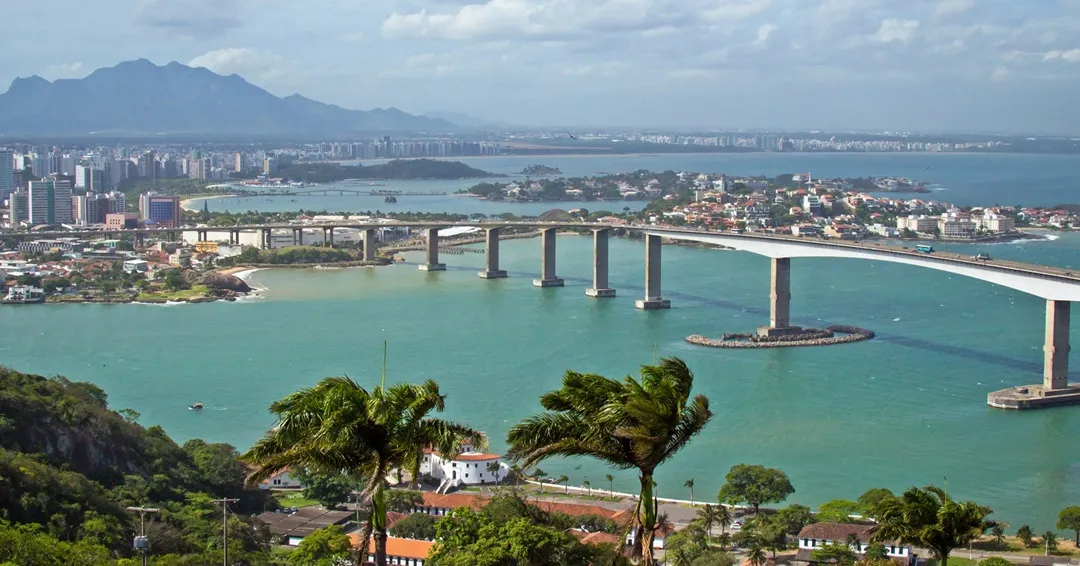
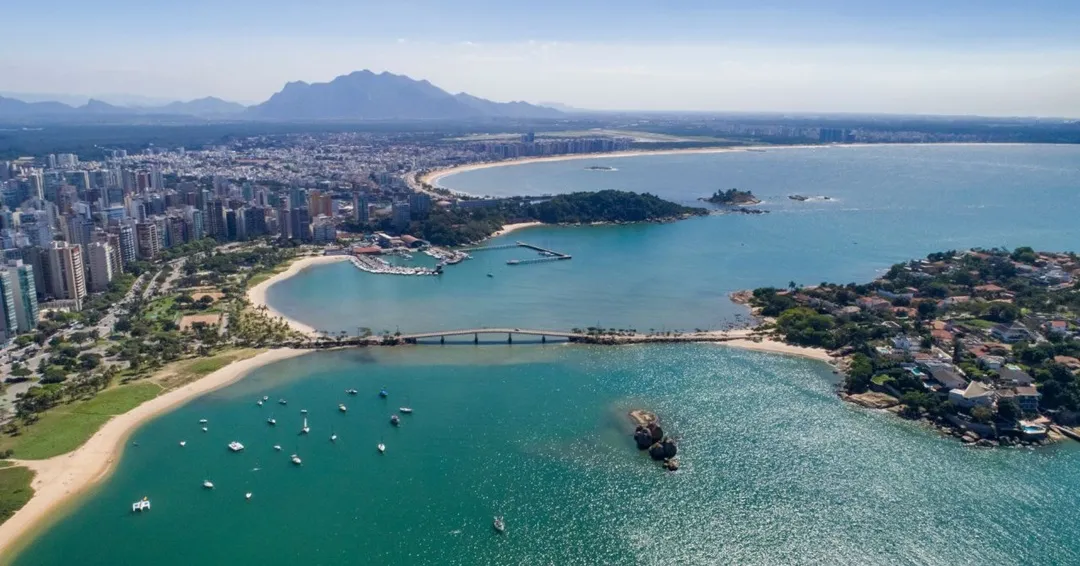
Between urban beaches, parks and a well preserved historic centre, Vitória has something for every kind of traveller. Visitors can cycle along the Camburi seafront, take a schooner ride across the bay, drop by the Tamar Project to learn about local marine life, or head up to viewpoints looking out over the Terceira Ponte bridge and neighbouring Vila Velha. Between July and November, humpback whale watching trips are among the most sought after experiences for anyone visiting the region during that season, set against a truly one of a kind natural backdrop.
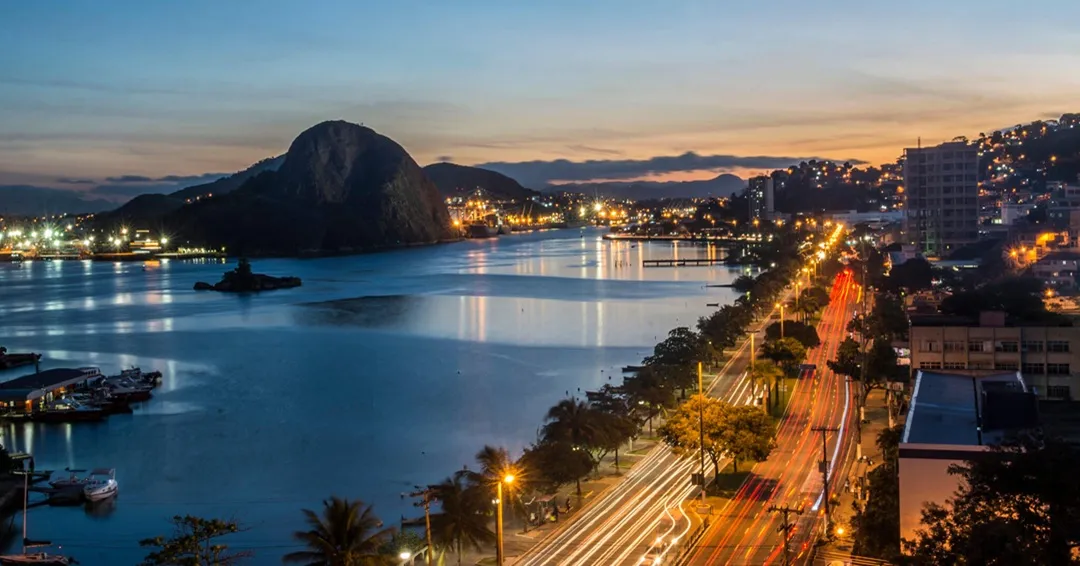
Anchieta Palace, seat of the state government, and the Metropolitan Cathedral, with its neo-Gothic architecture, anchor the city's historic centre, alongside colonial buildings such as the Santa Luzia Chapel and the Rosário Church. Pedra da Cebola Park and Moscoso Park offer green space and lakes right in the heart of the city, while the Convento da Penha, across the bay in Vila Velha, remains the state's foremost tourist landmark, visible from many points around Vitória. Camburi Beach and Curva da Jurema complete the capital's coastal circuit.

Vitória's anniversary on 8 September is marked by the Festa da Cidade, bringing concerts, exhibitions and sporting events to venues across the capital throughout the month. The Festa da Penha, held shortly after Easter, draws large numbers of pilgrims in one of the state's biggest religious celebrations, complete with a maritime procession. New Year's Eve on Camburi Beach, with fireworks and live music, closes out the year, while Carnival and the Auto da Paixão de Cristo passion play round out the city's rich cultural calendar.
Vitória has a tropical climate, with an average annual temperature of around 24 degrees and hot, humid summers between December and March. Rainfall is heaviest between October and January, while the winter months bring milder temperatures and less precipitation, making them ideal for outdoor exploring. Being right on the coast and sheltered by the surrounding hills, the city has one of the smallest temperature ranges in the state, making it a pleasant destination to visit at almost any time of year.
The most direct gateway to Vitória is Eurico de Aguiar Salles International Airport, with connections to several Brazilian cities and links from the country's main international hubs. Travellers already in Brazil will also find a central coach station offering regular services to and from other states. For flight bookings, transfers and other travel arrangements, Discover Brasil can help plan every step of the journey with ease.
Let Vitória’s beaches, parks and history win you over. Book your experiences with Discover Brasil and explore the capixaba capital at your own pace.