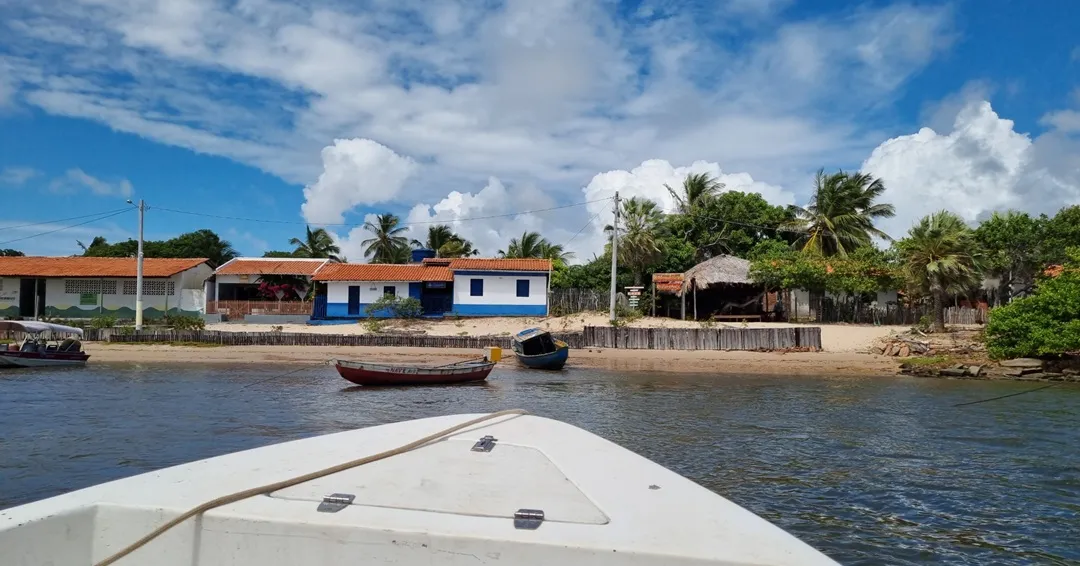
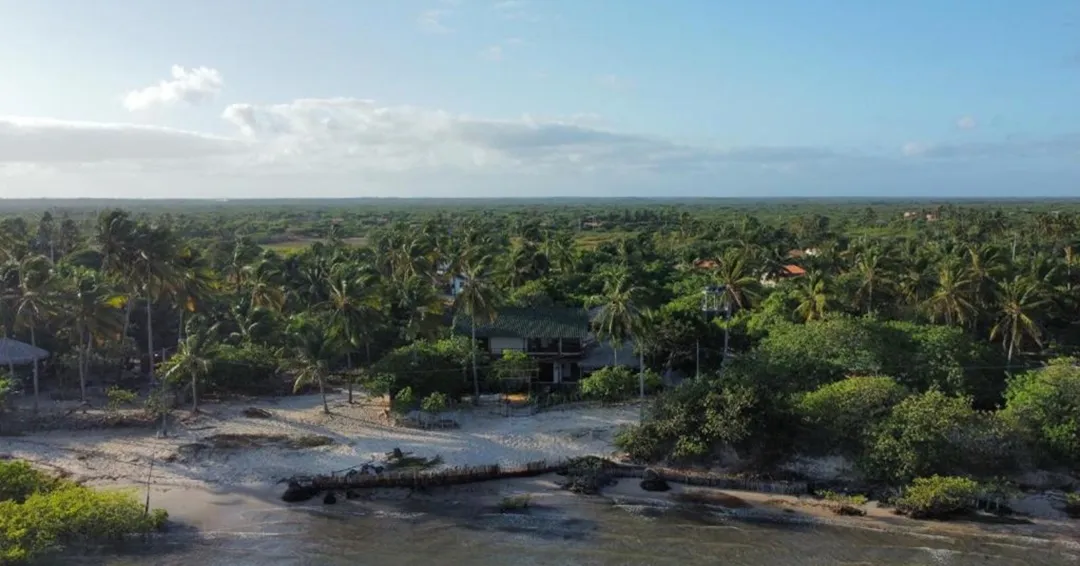
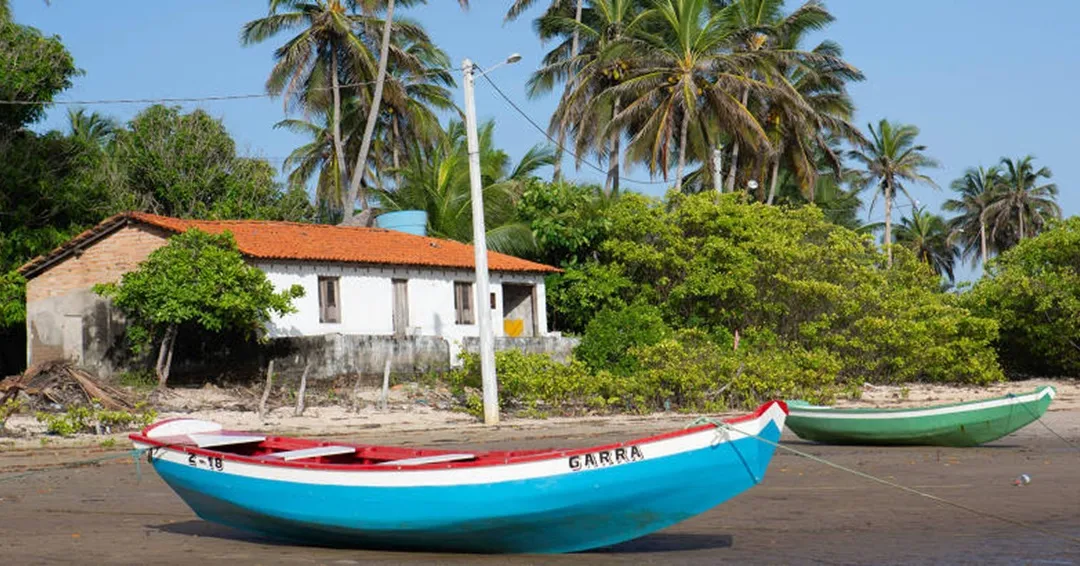
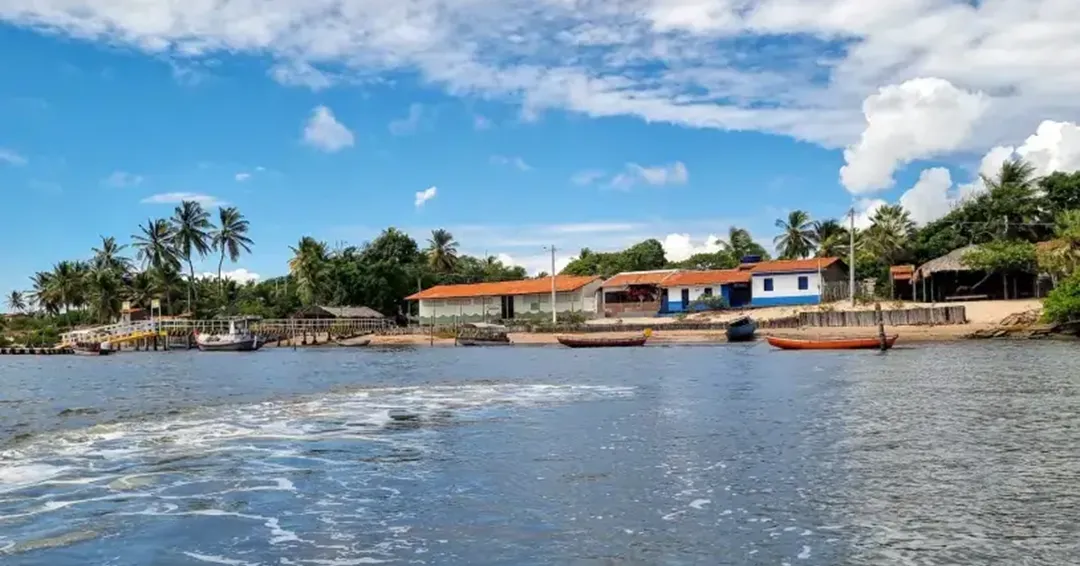
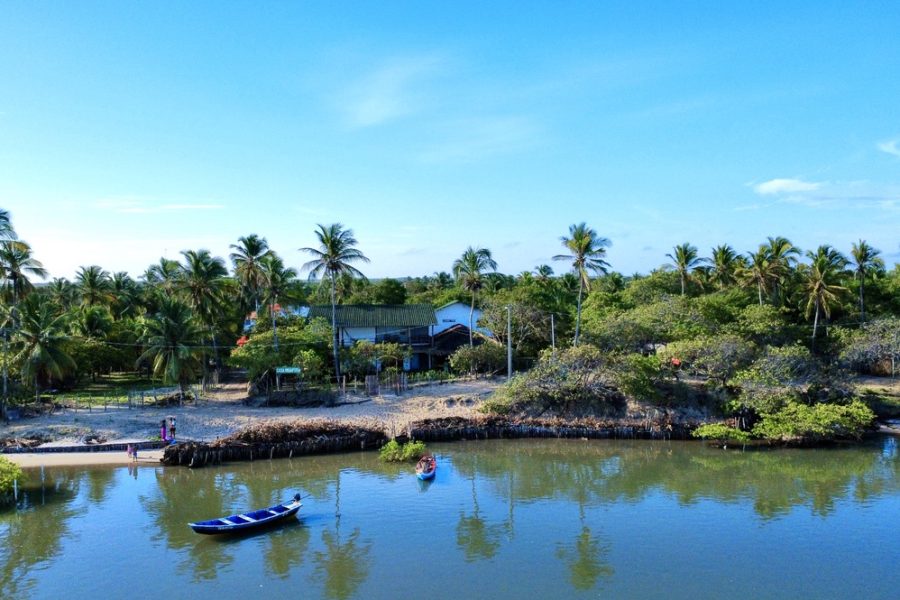
The Povoado Bar da Hora was born on the banks of the Rio Preguiças, in the municipality of Barreirinhas, in the state of Maranhão, within the buffer zone of the Lençóis Maranhenses National Park. The community grew from fishing families who built, across generations, a way of life deeply connected to the river, the mangroves and the rhythm of the tides. Its name originates from a bar and trading post founded by Dona Sinhá and Seu Manel, a gathering place where exhausted fishermen found food, drink and human warmth. Over time, this space became so central to local life that its name came to represent the entire community, symbolising a place where there is always the right moment to welcome and celebrate people. Strategically located between the villages of Mandacaru and Atins, Bar da Hora is home to just over 100 families, with around 600 residents, who preserve their ancestral heritage whilst embracing a model of tourism that places them at the heart of the experience. The Residents’ and Fishermen’s Association, founded in 2008, was the backbone of this transformation, laying the foundations for the community to have a voice in public forums and the autonomy to shape the kind of tourism it wished to practise. Formal participation in tourism began in 2016, with the opening of accommodation and food venues that quickly distinguished themselves through authenticity and a genuine commitment to local culture.
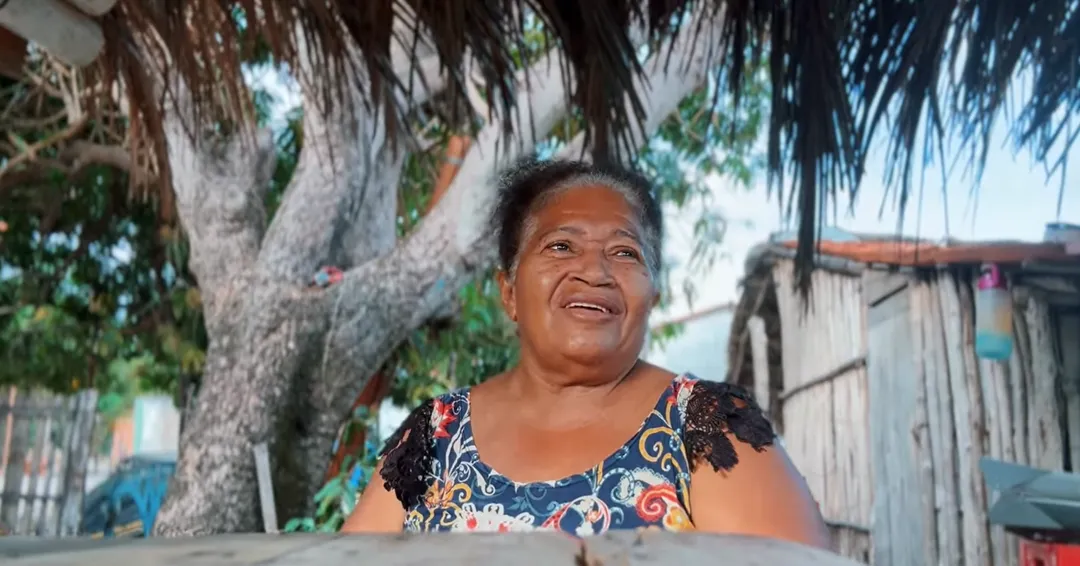
The culture of Povoado Bar da Hora is inseparable from the Rio Preguiças and the caiçara identity that has shaped generations of fishermen and their families. Artisanal fishing with cast nets, communal life in the village yards, a cuisine built on fresh fish and manioc flour, and woodcraft inspired by local wildlife are all vivid expressions of a rich and genuine everyday life. The residents are the true guardians of this heritage, passing knowledge and affection from parent to child, in a community where hospitality is not a service but a natural way of being.
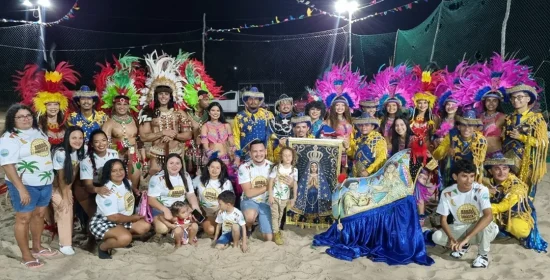
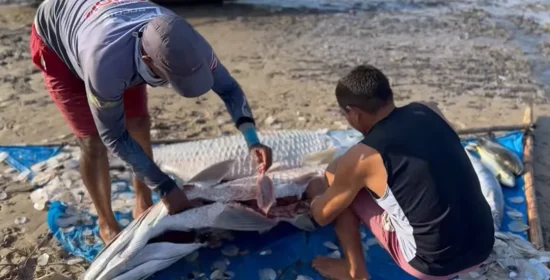
Among the most cherished traditions of Bar da Hora is cast net fishing, practised since the earliest generations and kept alive with pride by elder fishermen alongside the younger ones learning at their side. The culture of manioc, with its artisanal processes for producing flour, is also woven into the community’s way of life. The Festa da Tainha, with its canoe regatta on the river, is one of the most celebrated moments in the local calendar, bringing together residents and visitors in a genuine festival where competition gives way to shared joy. The natural mud bath on the riverbanks is another tradition of leisure that residents keep alive, both in daily life and as part of the experience offered to visitors. Passing these practices on to new generations is a commitment the community has embraced, seeing its traditions not as a legacy of the past but as a living force capable of inspiring the future.
The Residents' and Fishermen's Association of Povoado Bar da Hora, founded in 2008, is the main driver of community life and local tourism management. It is within this body that the direction of development is discussed, public representation is secured, and structural projects are embraced, such as the Community Nursery School supported by ten private sector donors. A group of local entrepreneurs contributes between 2% and 5% of their net profits to a community tourism fund, used to finance new businesses and improvements for both the village and its visitors.
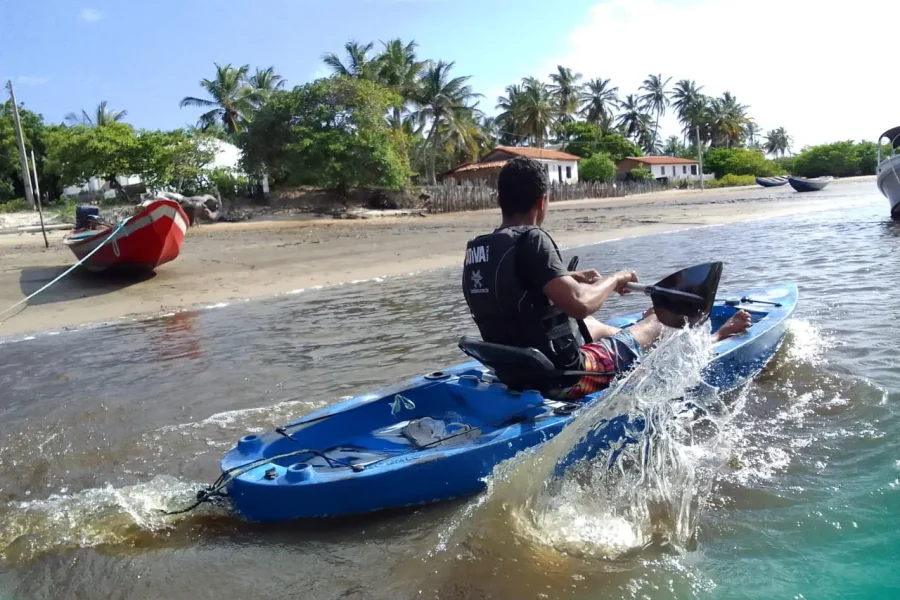
The economy of Bar da Hora rests on three complementary pillars: artisanal fishing, community-based tourism and local entrepreneurship. The village offers five accommodation options, several dining venues serving typical and sustainable cuisine, water and land transport services, woodcraft and crochet artisanship, and kayak expeditions along the Rio Preguiças. The production of sustainable brooms made from PET bottles, funded by the community tourism fund, is a further example of how the community generates income whilst caring for its territory.
Povoado Bar da Hora has developed a robust set of environmental initiatives that have transformed waste management and the community's relationship with the local ecosystem. Biodigesters convert organic waste into biogas for use in local restaurants, whilst composting units supply community gardens with natural fertiliser. The reforestation of mangroves along the banks of the Rio Preguiças involves guesthouses, restaurants, schools and volunteers, protecting the coastline from erosion and ensuring the nursery habitats for the fish and shellfish that sustain local fishing. The community factory producing brooms from PET bottles, removing 20 plastic containers from the environment per broom, is a further symbol of how sustainability here is a daily practice.
The work of Bar da Hora has been recognised at national level as a benchmark in sustainable and community-based tourism. In 2024, the community won the Braztoa Sustainability Award, being one of four winners selected from more than 86 initiatives across Brazil. In the same year, it achieved second place in the National Tourism Award, promoted by the Ministry of Tourism in partnership with the National Tourism Council. These accolades validate years of collective effort and open doors for other Brazilian communities to draw inspiration from this model of tourism built on identity, autonomy and environmental responsibility.
The story of Bar da Hora is also a story of affirmation and resilience. In a region where mass tourism advances rapidly, the community chose a different path: to be the protagonist of its own development, without surrendering its traditions or its sovereignty over the territory. The Residents' and Fishermen's Association secured the village an active voice in public decision-making spaces, negotiating institutional support from Sebrae, the Federal University of Maranhão, the Pastoral da Pesca, and municipal and state governments. This capacity for collective organisation is what sets Bar da Hora apart and protects its way of life for the generations to come.
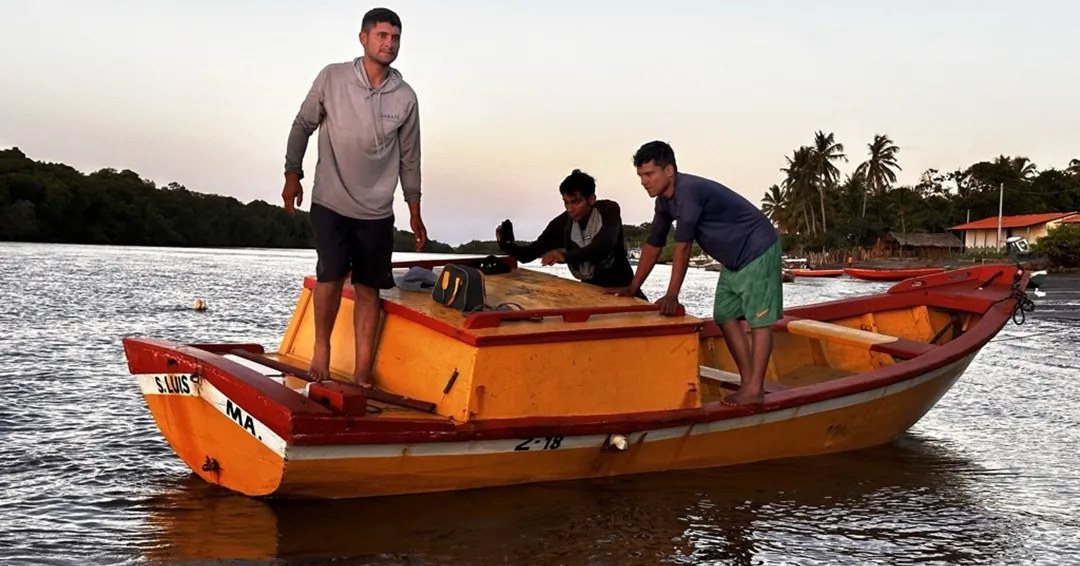
The gateway to Povoado Bar da Hora is Marechal Cunha Machado International Airport in São Luís, the capital of Maranhão, with connections from major European international airports via São Paulo, Lisbon or other Brazilian cities. The airports of Fortaleza and Belém also offer convenient connections to São Luís. From São Luís, the journey continues by road to Barreirinhas, the main entry point to the region, approximately 4 to 5 hours away. From Barreirinhas, Bar da Hora is reached by boat along the Rio Preguiças, a crossing of around one and a half hours through breathtaking scenery. Discover Brasil can assist with all transport logistics and available operators.

Experience community-based tourism at its finest. Book your Bar da Hora adventures with Discover Brasil and immerse yourself in an authentic journey through the Lençóis Maranhenses.