History

The Environmental Protection Area (APA) was established in 1986 to preserve one of the last untouched areas of Atlantic Forest in the city. This region, which includes beaches, rocky cliffs, sandbanks, and mangroves, is one of the few places in Rio de Janeiro that still maintains its original coastal Atlantic Forest ecosystem, essential for preserving local flora and fauna species. The creation of the APA was driven by urban expansion and the need to protect the region’s biodiversity and natural landscapes. Today, it is a controlled visitation area, where recreational and educational activities are permitted, always with a focus on environmental preservation. The area offers an experience of connection with nature, with preserved beaches and trails, as well as various native species. The APA is managed by the State Institute of the Environment (INEA) with the support of the City Council.

Attractions

A preserved, tranquil beach surrounded by native vegetation and hills.

Rio’s first official naturist beach in a paradisiacal setting.

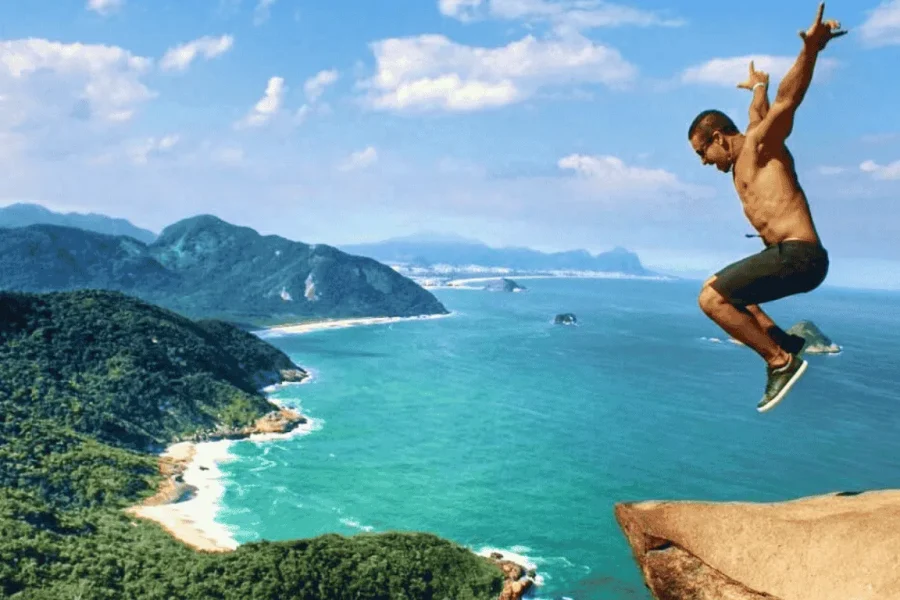
Panoramic view of the beaches and local vegetation.

Easy walk through the sandbank with opportunities for wildlife observation.

A small, secluded beach, ideal for those seeking tranquillity and contact with nature.

Rock formations ideal for photos and ocean views.

Importance

The APA is crucial for the preservation of the Atlantic Forest and the coastal ecosystems of Rio de Janeiro. The area protects sensitive habitats, such as sandbanks, mangroves, and rocky cliffs, and is home to several threatened species of flora and fauna. It also serves as an important natural refuge for the people of Rio, providing a sustainable leisure space and encouraging environmental awareness. Additionally, the preservation of the APA helps maintain soil stability and water quality in the region, contributing to the city’s environmental balance.

Tickets

Access to the APA is free and open to the public. However, due to environmental preservation restrictions, the number of visitors is limited, especially on weekends and holidays when foot traffic increases. Vehicle access is also controlled, and public transport or sustainable alternatives are recommended. Some activities, such as guided tours or ecotourism practices, can be organised with local companies, but they must comply with the environmental guidelines established by INEA to ensure the area’s preservation. There is no fee, but it is important to follow preservation guidelines.


Guidelines

For a safe visit, wear light clothing and comfortable shoes suitable for walking on sand and trails. Use sunscreen, a hat or cap, and bring insect repellent to protect yourself in areas with sandbanks and dense vegetation. Stay hydrated by bringing enough water, as well as light snacks like fruit and cereal bars. Respect all signage and instructions from staff and local guides. Avoid feeding the animals and keep a safe distance from the wildlife to avoid interfering with their natural behaviour. Stay in designated areas and take back any waste generated, using the bins available. Help preserve the area by avoiding the removal of any natural or historical materials.

When to Go

The best time to visit is between April and September, when the climate is milder, and visitor numbers are lower. During the summer, from December to March, foot traffic increases, especially on weekends and holidays, but the beaches are also more inviting due to warmer temperatures. The APA offers a direct nature experience year-round, but visitors should always consider weather conditions and potential access restrictions due to conservation efforts.

How to Get There

European travellers typically arrive in Belém, the capital of Pará, which has an international airport with connecting flights via São Paulo, Rio de Janeiro or Lisbon. From central Belém, access to Combu Island is by boat departing from the Hydro Terminal or the Estação das Docas. The crossing takes around 15 to 20 minutes and is done in small motorboats known locally as voadeiras. Booking guided and sustainable tours through local agencies is recommended.

DISCOVER MORE

Book your visit to Combu Island now with authentic experiences guided by local residents. Discover the Amazon in a regenerative and cultural way with Discover Brasil!

Rio de Janeiro, Brazil
2026-07-21 18:36:21

Wild Landscapes: Telegraph Rock and Rio’s Beaches

5 (1 Review)
2026-07-21 18:36:21