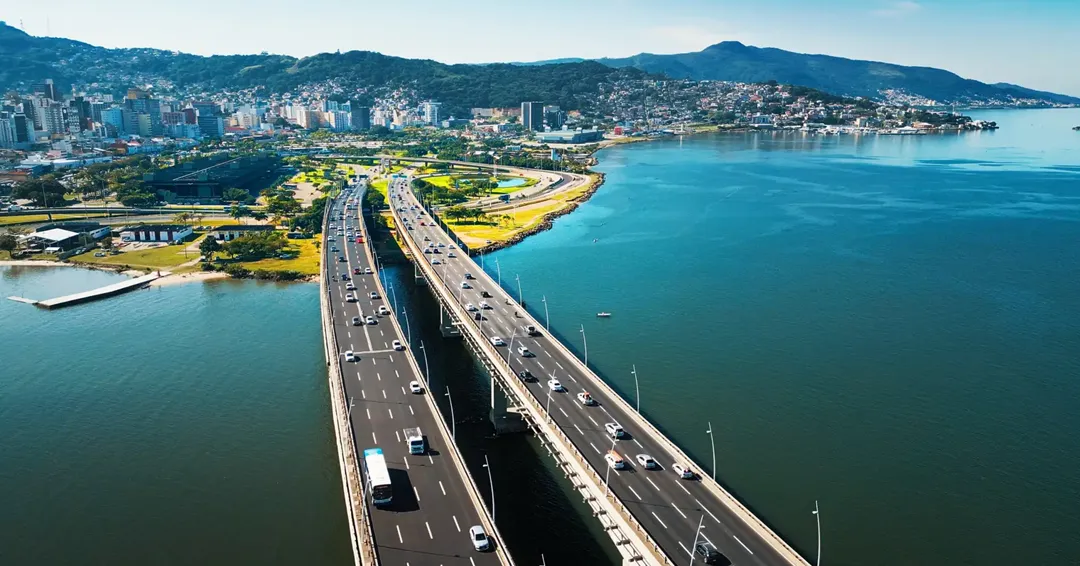
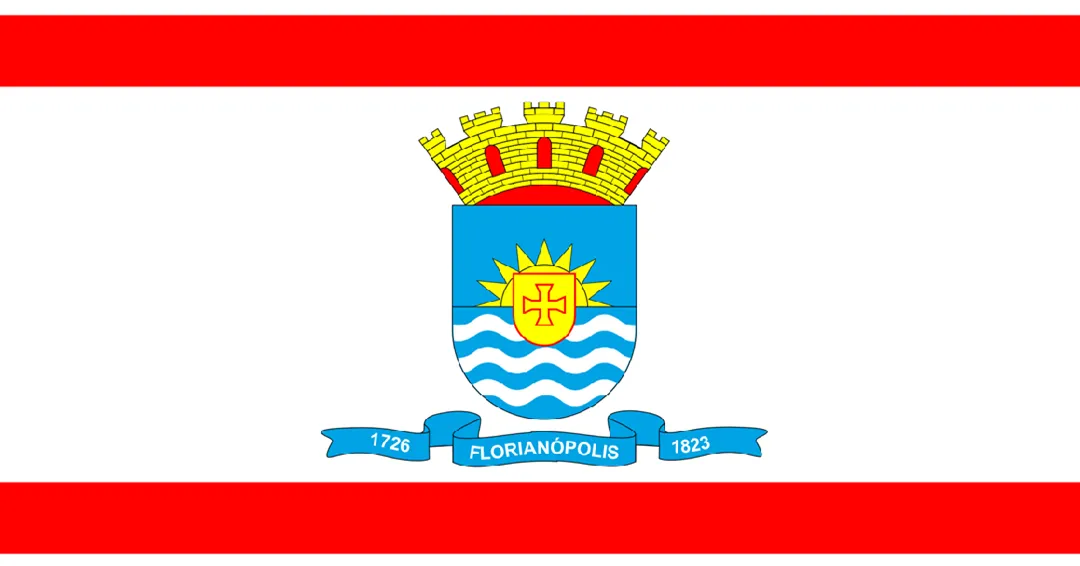
The history of Florianópolis stretches back long before the arrival of Europeans, with archaeological remains dating to around 4800 BC belonging to the sambaqui culture, whose peoples left behind large shell mounds on the island as testimony to their ancient presence; later on, the Carijós, a people of Tupi origin, settled along the coast and lived off fishing, shellfish gathering and small-scale farming based on cassava, welcoming the first Portuguese navigators who landed in the region with warmth; the settlement was officially founded in 1673, when the São Paulo-born bandeirante Francisco Dias Velho established himself there and built the settlement of Nossa Senhora do Desterro, which was raised to the status of a town in 1726 and later strengthened, in the mid-eighteenth century, by the arrival of thousands of Azorean immigrants who brought with them traditions and trades that still shape the island today; in 1823 it became a city and the capital of the then Province of Santa Catarina, marking the start of a period of investment in public works; the current name only emerged in 1894, in honour of president Floriano Peixoto, replacing the former name of Desterro in a decision that sparked controversy; throughout the twentieth century, the construction of bridges linking the island to the mainland and the founding of the Federal University of Santa Catarina drove a growth that turned Florianópolis into one of Brazil’s leading hubs for technology, tourism and quality of life.
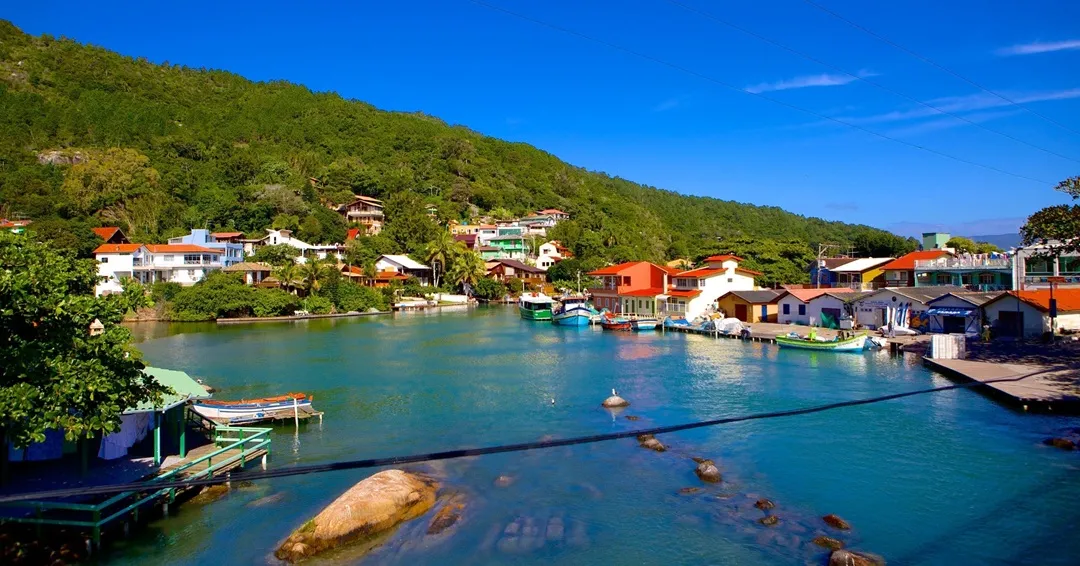
Florianópolis' cultural identity springs from the meeting of indigenous Carijó roots with the strong Azorean heritage brought by Portuguese settlers in the eighteenth century. This blend can be seen in the colourful architecture of the houses along the shore, in the handmade bobbin lace, in a cuisine built around seafood and cassava flour, and in the legends of witches and magical figures popularised by the artist Franklin Cascaes, which earned the city its nickname of the Island of Magic. The boi de mamão folk dance and religious festivals round out this rich living heritage.
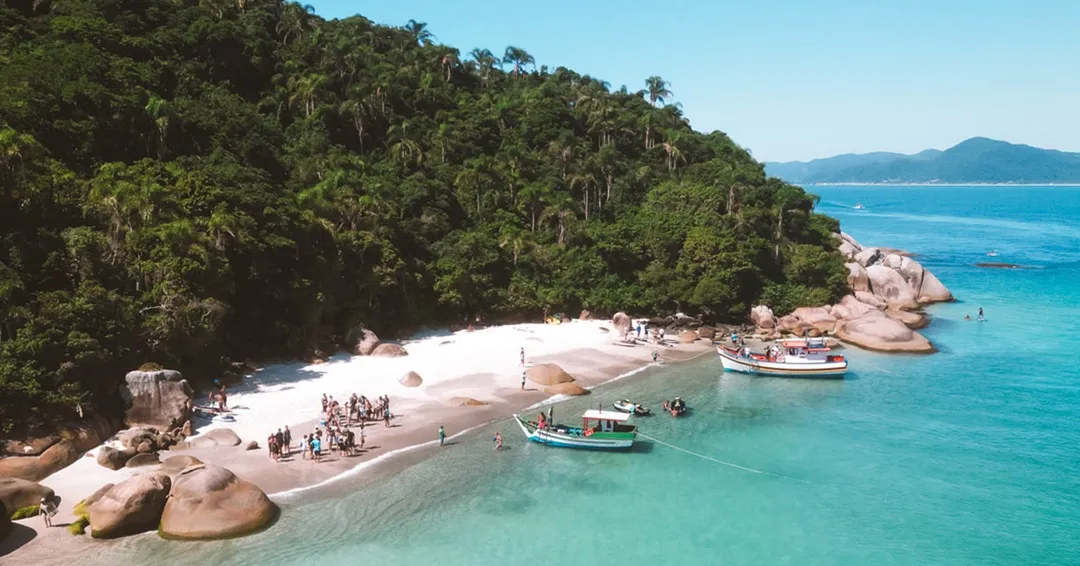
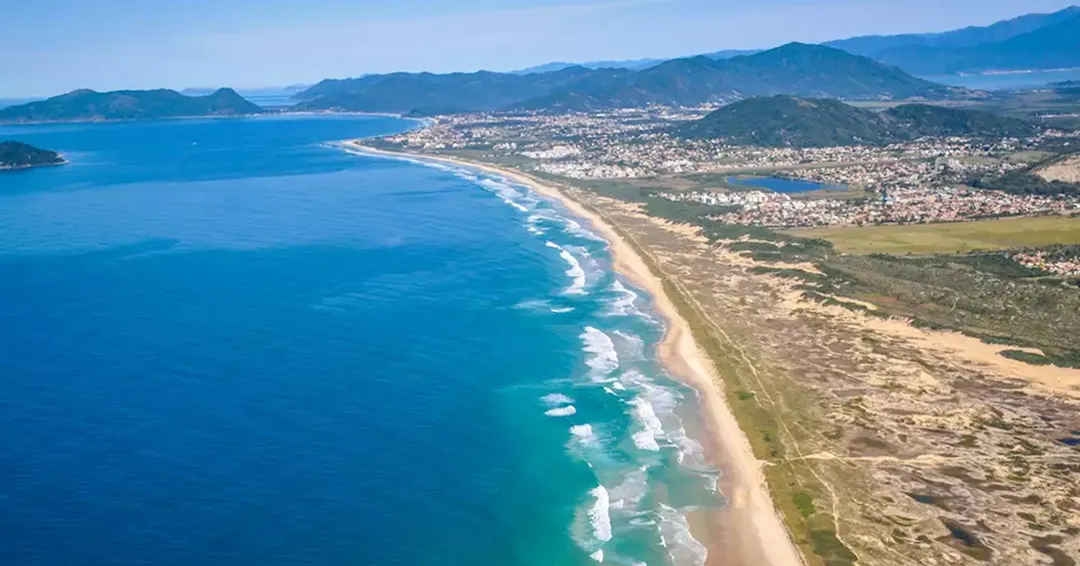
Florianópolis invites visitors to explore more than a hundred beaches, each with its own character: strong waves for surfing, calm waters for families, or dunes for sunset walks. It's well worth sailing across Lagoa da Conceição, diving into the crystal-clear waters of Ilha do Campeche, or cycling along the trails of Serra do Tabuleiro. Those seeking tradition can wander through Santo Antônio de Lisboa and Ribeirão da Ilha, tasting fresh oysters at seafront restaurants. By night, the historic centre offers a lively cultural and gastronomic scene.
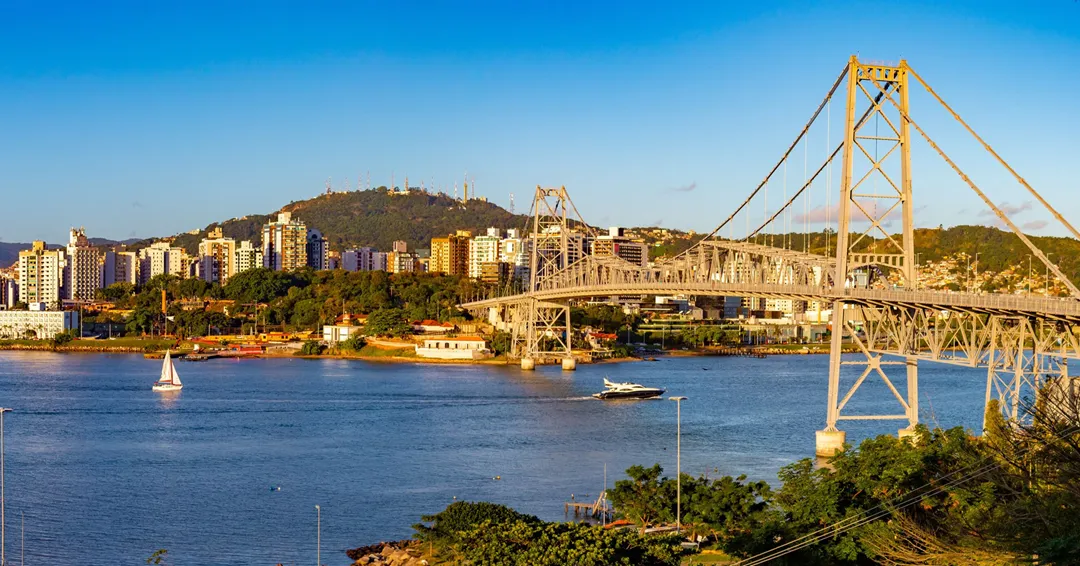
Among the must-see spots is Praça XV de Novembro, the historic heart of the city, home to a century-old fig tree and the Metropolitan Cathedral. The Hercílio Luz Bridge, an icon of Brazilian engineering, offers spectacular views over the bay. Lagoa da Conceição charms visitors with its bars and water sports, while the Fortress of Santa Cruz de Anhatomirim reveals a significant chapter of Santa Catarina's history. The dunes of Joaquina and the Azorean village of Santo Antônio de Lisboa complete an itinerary for anyone wanting to discover the true essence of the island.
Florianópolis' calendar stays lively throughout the year. In March, the Ironman draws athletes from around the world for one of the most demanding triathlon events on the international circuit. March also brings the National Oyster Festival, celebrating Azorean tradition and local cuisine. Christmas brings special decorations and cultural events across the city, while the New Year's Eve celebration along the seafront is among the busiest in southern Brazil. The summer months, from December to February, host most of the popular festivals and open-air concerts.
Florianópolis has a humid subtropical climate, with four well-defined seasons. Summers, from December to March, are warm and ideal for the beach, with temperatures around 28°C. Winters, from June to August, are cool and sometimes windy, with lows close to 13°C. Rain is spread fairly evenly throughout the year, without a defined dry season, so it's always worth packing a light jacket and sun protection, even outside summer. The best time to visit depends on what you're after: beach life or quieter surroundings.

Travellers from Europe can reach Florianópolis via international flights with a connection in São Paulo or Rio de Janeiro, arriving afterwards at Hercílio Luz International Airport, just a few minutes from the city centre. It's also possible to arrive by coach from other capitals in southern Brazil, a comfortable option for those wanting to take in the region at a relaxed pace. On the island, taxis, ride-hailing apps and public transport make it easy to get around between neighbourhoods and beaches. Discover Brasil can help arrange all the details of the trip.
Let yourself be charmed by the Island of Magic. Discover Brasil has experiences designed to help you live Florianópolis authentically and sustainably, from its beaches to its Azorean traditions. Book your next adventure with us today.